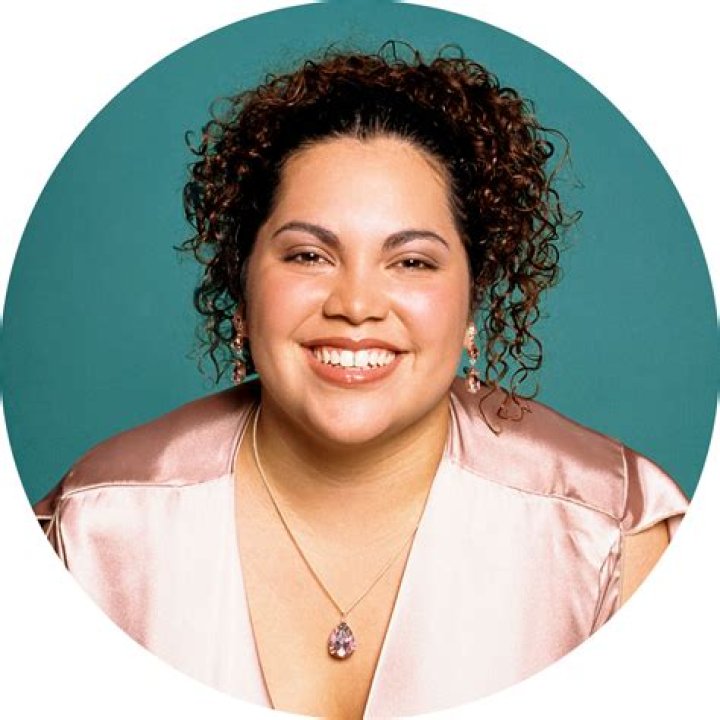
Princess Kate eating disorder refers to the eating disorder that Princess Kate is rumored to have had in the past. The term is often used in tabloids and celebrity gossip magazines to speculate about Princess Kate's health and appearance. However, it is important to note that there is no confirmed diagnosis of an eating disorder for Princess Kate, and these rumors should be treated with caution.
Eating disorders are serious mental illnesses that can have devastating consequences for both physical and mental health. They are characterized by disordered eating habits, such as severe food restriction, binge eating, and purging. Eating disorders can be caused by a variety of factors, including genetics, personality traits, and environmental stressors.
If you are concerned that you or someone you know may have an eating disorder, it is important to seek professional help. Eating disorders are treatable, but they require specialized care.
Princess Kate Eating Disorder
Princess Kate eating disorder is a topic that has been widely discussed in the media. There are many different aspects to this issue, including the following:
- Eating disorders are serious mental illnesses that can have devastating consequences for both physical and mental health.
- Anorexia nervosa is an eating disorder that is characterized by severe food restriction, weight loss, and a distorted body image.
- Bulimia nervosa is an eating disorder that is characterized by binge eating followed by purging, such as vomiting or excessive exercise.
- Binge eating disorder is an eating disorder that is characterized by recurrent episodes of binge eating, which is eating large amounts of food in a short period of time.
- Eating disorders can be caused by a variety of factors, including genetics, personality traits, and environmental stressors.
- Treatment for eating disorders typically involves a combination of psychotherapy, nutrition counseling, and medication.
- Recovery from an eating disorder is possible, but it can be a long and difficult process.
- Eating disorders are not a sign of weakness or vanity. They are serious mental illnesses that require professional help.
- If you are concerned that you or someone you know may have an eating disorder, it is important to seek professional help.
- There are many resources available to help people with eating disorders, including support groups, online forums, and helplines.
Eating disorders are a serious issue that can have a devastating impact on the lives of those who suffer from them. It is important to be aware of the signs and symptoms of eating disorders and to seek professional help if you are concerned that you or someone you know may have an eating disorder.
Eating disorders are serious mental illnesses that can have devastating consequences for both physical and mental health.
Eating disorders are serious mental illnesses that can have devastating consequences for both physical and mental health. They can lead to a range of health problems, including malnutrition, heart problems, and kidney problems. Eating disorders can also lead to depression, anxiety, and other mental health problems.
- Eating disorders are not a choice. They are caused by a complex interplay of biological, psychological, and social factors. People with eating disorders do not choose to have them, and they cannot simply willpower themselves to recover.
- Eating disorders are treatable. With the right treatment, people with eating disorders can recover and live full and healthy lives.
- Eating disorders are not a sign of weakness. They are serious mental illnesses that require professional help.
- If you are concerned that you or someone you know may have an eating disorder, it is important to seek professional help.
Eating disorders are a serious issue that can have a devastating impact on the lives of those who suffer from them. It is important to be aware of the signs and symptoms of eating disorders and to seek professional help if you are concerned that you or someone you know may have an eating disorder.
Anorexia nervosa is an eating disorder that is characterized by severe food restriction, weight loss, and a distorted body image.
Anorexia nervosa is a serious eating disorder that can have devastating consequences for both physical and mental health. People with anorexia nervosa may severely restrict their food intake, leading to weight loss and malnutrition. They may also have a distorted body image, seeing themselves as overweight even when they are dangerously underweight.
Princess Kate has never been diagnosed with anorexia nervosa. However, there have been rumors and speculation about her weight and eating habits over the years. Some people have suggested that she may have an eating disorder, based on her thin appearance. However, there is no evidence to support these claims.
It is important to remember that eating disorders are serious mental illnesses. They are not a choice, and they cannot be cured by willpower alone. People with eating disorders need professional help to recover.
If you are concerned that you or someone you know may have an eating disorder, it is important to seek professional help. Eating disorders are treatable, but they require specialized care.
Bulimia nervosa is an eating disorder that is characterized by binge eating followed by purging, such as vomiting or excessive exercise.
Bulimia nervosa is a serious eating disorder that can have devastating consequences for both physical and mental health. People with bulimia nervosa binge eat, which means they eat large amounts of food in a short period of time. They then purge, which means they try to get rid of the food they have eaten, by vomiting, taking laxatives, or exercising excessively.
- Binge eating is a common symptom of bulimia nervosa. People with bulimia nervosa may binge eat because they feel out of control around food. They may also binge eat to cope with stress or negative emotions.
- Purging is another common symptom of bulimia nervosa. People with bulimia nervosa may purge to get rid of the calories they have consumed during a binge. They may also purge to try to control their weight or body shape.
- Bulimia nervosa can have serious consequences for both physical and mental health. Physically, bulimia nervosa can lead to malnutrition, heart problems, and kidney problems. Mentally, bulimia nervosa can lead to depression, anxiety, and other mental health problems.
- Treatment for bulimia nervosa typically involves a combination of psychotherapy, nutrition counseling, and medication.
Princess Kate has never been diagnosed with bulimia nervosa. However, there have been rumors and speculation about her weight and eating habits over the years. Some people have suggested that she may have an eating disorder, based on her thin appearance. However, there is no evidence to support these claims.
It is important to remember that eating disorders are serious mental illnesses. They are not a choice, and they cannot be cured by willpower alone. People with eating disorders need professional help to recover.
If you are concerned that you or someone you know may have an eating disorder, it is important to seek professional help. Eating disorders are treatable, but they require specialized care.
Binge eating disorder is an eating disorder that is characterized by recurrent episodes of binge eating, which is eating large amounts of food in a short period of time.
Binge eating disorder is a serious eating disorder that can have devastating consequences for both physical and mental health. People with binge eating disorder may binge eat several times a week or even several times a day. They may eat large amounts of food in a short period of time, and they may feel out of control during their binge eating episodes.
Princess Kate has never been diagnosed with binge eating disorder. However, there have been rumors and speculation about her weight and eating habits over the years. Some people have suggested that she may have an eating disorder, based on her thin appearance. However, there is no evidence to support these claims.
It is important to remember that eating disorders are serious mental illnesses. They are not a choice, and they cannot be cured by willpower alone. People with eating disorders need professional help to recover.
If you are concerned that you or someone you know may have an eating disorder, it is important to seek professional help. Eating disorders are treatable, but they require specialized care.
Eating disorders can be caused by a variety of factors, including genetics, personality traits, and environmental stressors.
Eating disorders are serious mental illnesses that can have devastating consequences for both physical and mental health. They are caused by a complex interplay of biological, psychological, and social factors. Genetics, personality traits, and environmental stressors can all play a role in the development of an eating disorder.
- Genetics
Research has shown that there is a genetic component to eating disorders. People who have a family history of eating disorders are more likely to develop one themselves. However, it is important to note that genetics are not the only factor that contributes to the development of an eating disorder.
- Personality traits
Certain personality traits may also make someone more likely to develop an eating disorder. For example, people who are perfectionistic, impulsive, or have low self-esteem may be more at risk for developing an eating disorder.
- Environmental stressors
Environmental stressors can also trigger the development of an eating disorder. These stressors can include things like trauma, abuse, or neglect. They can also include more common stressors, such as school or work.
In the case of Princess Kate, it is not known what factors may have contributed to her eating disorder. However, it is likely that a combination of genetic, personality, and environmental factors played a role.
Treatment for eating disorders typically involves a combination of psychotherapy, nutrition counseling, and medication.
Eating disorders are serious mental illnesses that require professional treatment. The goal of treatment is to help the person recover from their eating disorder and to develop healthy eating habits. Treatment typically involves a combination of psychotherapy, nutrition counseling, and medication.
Psychotherapy can help the person understand the underlying causes of their eating disorder and to develop healthier coping mechanisms. Nutrition counseling can help the person learn how to eat healthy and to develop a healthy relationship with food. Medication can be used to treat the symptoms of an eating disorder, such as depression and anxiety.
Princess Kate has never been diagnosed with an eating disorder. However, she has spoken openly about her struggles with body image and eating. In a 2017 interview, she said, "I've struggled with my body image for a long time. I've had eating disorders in the past." Princess Kate's openness about her struggles with eating disorders has helped to raise awareness of these illnesses and to reduce the stigma associated with them.
Treatment for eating disorders is essential for recovery. If you or someone you know is struggling with an eating disorder, please seek professional help. Eating disorders are treatable, but they require specialized care.
Recovery from an eating disorder is possible, but it can be a long and difficult process.
Eating disorders are serious mental illnesses that can have devastating consequences for both physical and mental health. Recovery from an eating disorder is possible, but it can be a long and difficult process. There is no one-size-fits-all approach to recovery, but there are some general principles that can help.
- Seek professional help. Eating disorders are serious mental illnesses that require professional treatment. A therapist can help you understand the underlying causes of your eating disorder and develop healthy coping mechanisms.
- Be patient. Recovery from an eating disorder takes time. There will be setbacks along the way, but it is important to be patient and persistent.
- Find support. There are many resources available to help people with eating disorders, including support groups, online forums, and helplines.
- Never give up. Recovery from an eating disorder is possible. With the right help and support, you can overcome your eating disorder and live a full and healthy life.
Princess Kate has never been diagnosed with an eating disorder. However, she has spoken openly about her struggles with body image and eating. In a 2017 interview, she said, "I've struggled with my body image for a long time. I've had eating disorders in the past." Princess Kate's openness about her struggles with eating disorders has helped to raise awareness of these illnesses and to reduce the stigma associated with them.
Recovery from an eating disorder is possible. If you or someone you know is struggling with an eating disorder, please seek professional help. Eating disorders are treatable, but they require specialized care.
Eating disorders are not a sign of weakness or vanity. They are serious mental illnesses that require professional help.
Princess Kate, the Duchess of Cambridge, has never been diagnosed with an eating disorder. However, she has spoken openly about her struggles with body image and eating. In a 2017 interview, she said, "I've struggled with my body image for a long time. I've had eating disorders in the past." Princess Kate's openness about her struggles has helped to raise awareness of eating disorders and to reduce the stigma associated with them.
- Eating disorders are not a choice.
People with eating disorders do not choose to have them. They are caused by a complex interplay of biological, psychological, and social factors. Genetics, personality traits, and environmental stressors can all play a role in the development of an eating disorder. - Eating disorders are serious mental illnesses.
Eating disorders can have devastating consequences for both physical and mental health. They can lead to malnutrition, heart problems, kidney problems, and other health problems. Eating disorders can also lead to depression, anxiety, and other mental health problems. - Eating disorders require professional help.
Treatment for eating disorders typically involves a combination of psychotherapy, nutrition counseling, and medication. Treatment can help people with eating disorders recover and live full and healthy lives. - Eating disorders are not a sign of weakness or vanity.
People with eating disorders are not weak or vain. They are struggling with a serious mental illness that requires professional help.
If you or someone you know is struggling with an eating disorder, please seek professional help. Eating disorders are treatable, but they require specialized care.
If you are concerned that you or someone you know may have an eating disorder, it is important to seek professional help.
Eating disorders are serious mental illnesses that can have devastating consequences for both physical and mental health. Princess Kate, the Duchess of Cambridge, has never been diagnosed with an eating disorder. However, she has spoken openly about her struggles with body image and eating. In a 2017 interview, she said, "I've struggled with my body image for a long time. I've had eating disorders in the past." Princess Kate's openness about her struggles has helped to raise awareness of eating disorders and to reduce the stigma associated with them.
- Early detection and intervention are crucial for effective treatment of eating disorders.
Seeking professional help at the onset of an eating disorder is essential for prompt diagnosis and timely intervention. Early detection can significantly improve the chances of successful recovery and minimize the risk of long-term complications.
- Professional guidance provides personalized treatment plans.
Eating disorders manifest differently in individuals, and treatment plans must be tailored accordingly. Professional help ensures that individuals receive customized care that addresses their specific needs and circumstances, maximizing the effectiveness of the treatment.
- Access to specialized resources and support systems.
Seeking professional help connects individuals with specialized resources and support systems, such as therapists, dietitians, support groups, and medical professionals. These resources provide comprehensive care, guidance, and emotional support throughout the recovery journey.
- Breaking the cycle of secrecy and shame.
Eating disorders often thrive in secrecy and shame, making it difficult for individuals to reach out for help. Professional intervention helps break this cycle by providing a safe and confidential space for individuals to discuss their struggles and seek support.
If you or someone you know is struggling with an eating disorder, please seek professional help. Eating disorders are treatable, but they require specialized care.
There are many resources available to help people with eating disorders, including support groups, online forums, and helplines.
In the context of "princess kate eating disorder", this statement highlights the availability of support and assistance for individuals struggling with eating disorders. Princess Kate's openness about her own experiences with eating disorders has brought increased attention to these illnesses and the importance of seeking help.
- Support Groups
Support groups provide a safe and supportive environment for individuals with eating disorders to connect with others who understand their struggles. They offer a sense of community, validation, and shared experiences, which can be invaluable for recovery.
- Online Forums
Online forums offer a platform for individuals to connect with others who are struggling with eating disorders, share their experiences, and provide support. They can also provide access to information and resources, and can be particularly helpful for those who may not have access to local support groups.
- Helplines
Helplines provide immediate support and guidance to individuals with eating disorders. They can offer confidential assistance, information about treatment options, and referrals to local resources. Helplines can be a lifeline for those who are struggling with an eating disorder and need immediate support.
These resources play a crucial role in supporting individuals with eating disorders on their journey to recovery. They provide a sense of community, validation, and support, which can be essential for overcoming these complex illnesses.
Frequently Asked Questions about Princess Kate's Eating Disorder
The topic of "princess kate eating disorder" has generated considerable attention and discussion. To address some of the common questions and concerns surrounding this issue, we have compiled a list of frequently asked questions and their corresponding answers.
Question 1: Has Princess Kate been diagnosed with an eating disorder?
Answer: Princess Kate has never been officially diagnosed with an eating disorder by a medical professional. However, she has openly discussed her struggles with body image and eating in the past.
Question 2: What types of eating disorders are commonly associated with the term "princess kate eating disorder"?
Answer: The specific type of eating disorder associated with the term "princess kate eating disorder" is not clearly defined, as Princess Kate has not received a formal diagnosis. However, rumours and speculation have often centered around anorexia nervosa, bulimia nervosa, and binge eating disorder.
Question 3: What are the signs and symptoms of eating disorders?
Answer: Eating disorders can manifest in various ways, but common signs and symptoms include: severe food restriction, excessive exercise, preoccupation with weight and body image, distorted body perception, binge eating episodes, purging behaviors (such as vomiting or laxative abuse), and emotional distress related to eating.
Question 4: What causes eating disorders?
Answer: The exact causes of eating disorders are complex and not fully understood. However, a combination of genetic, psychological, and environmental factors is believed to contribute to their development.
Question 5: How are eating disorders treated?
Answer: Treatment for eating disorders typically involves a multidisciplinary approach, including psychotherapy, nutritional counseling, and medical monitoring. The specific treatment plan is tailored to the individual's needs and the severity of the disorder.
Question 6: Where can I find help for eating disorders?
Answer: If you or someone you know is struggling with an eating disorder, seeking professional help is crucial. There are numerous resources available, including specialized eating disorder treatment centers, mental health professionals, and support groups.
Summary: Eating disorders are serious mental illnesses that require professional attention and support. Princess Kate's openness about her struggles with body image and eating has helped raise awareness about these conditions and reduce the stigma associated with them. Remember that eating disorders are not a sign of weakness or vanity, and help is available for those who need it.
Transition to the next article section: This concludes our discussion on frequently asked questions about princess kate eating disorder. In the next section, we will explore the importance of seeking professional help for eating disorders and the various resources available for support and recovery.
Tips for Understanding "Princess Kate Eating Disorder"
The topic of "princess kate eating disorder" encompasses various aspects and raises concerns about eating disorders in general. Here are some essential tips to help you approach this topic with sensitivity and accuracy:
Tip 1: Use respectful language. When discussing eating disorders, it is crucial to use respectful and non-judgmental language. Avoid using stigmatizing or dismissive terms, as eating disorders are serious mental illnesses that require empathy and understanding.
Tip 2: Understand the complexity of eating disorders. Eating disorders are not simply about food or weight; they are complex mental illnesses with biological, psychological, and social components. Avoid making generalizations or assuming that individuals with eating disorders are "vain" or "weak-willed."
Tip 3: Focus on the individual's well-being. When discussing "princess kate eating disorder," prioritize the well-being of the individual rather than dwelling on rumors or speculation. Respect their privacy and avoid making assumptions about their health or personal life.
Tip 4: Seek credible information. If you are interested in learning more about eating disorders, seek information from credible sources such as medical professionals, reputable organizations, and research studies. Avoid relying solely on sensationalized media reports or unsubstantiated claims.
Tip 5: Promote awareness and support. Eating disorders are often shrouded in shame and secrecy. By openly discussing the topic and sharing accurate information, you can help reduce stigma and promote awareness. Encourage individuals who may be struggling with eating disorders to seek professional help.
Summary: Approaching the topic of "princess kate eating disorder" requires sensitivity, respect, and a focus on the individual's well-being. By using respectful language, understanding the complexity of eating disorders, prioritizing the individual's well-being, seeking credible information, and promoting awareness and support, you can contribute to a more informed and compassionate dialogue.
Transition to the article's conclusion: These tips provide guidance for navigating the topic of "princess kate eating disorder" with sensitivity and accuracy. Remember that eating disorders are serious mental illnesses, and it is essential to approach them with empathy and support.
Conclusion
The topic of "princess kate eating disorder" has sparked discussions and raised awareness about the complex nature of eating disorders. This exploration has highlighted the importance of approaching such issues with sensitivity and accuracy, focusing on the well-being of individuals rather than perpetuating rumors or speculation.
Eating disorders are serious mental illnesses that require professional attention and support. It is crucial to break down the stigma associated with them and promote a culture of understanding and empathy. By using respectful language, seeking credible information, and encouraging those who may be struggling to seek help, we can create a more informed and supportive society.