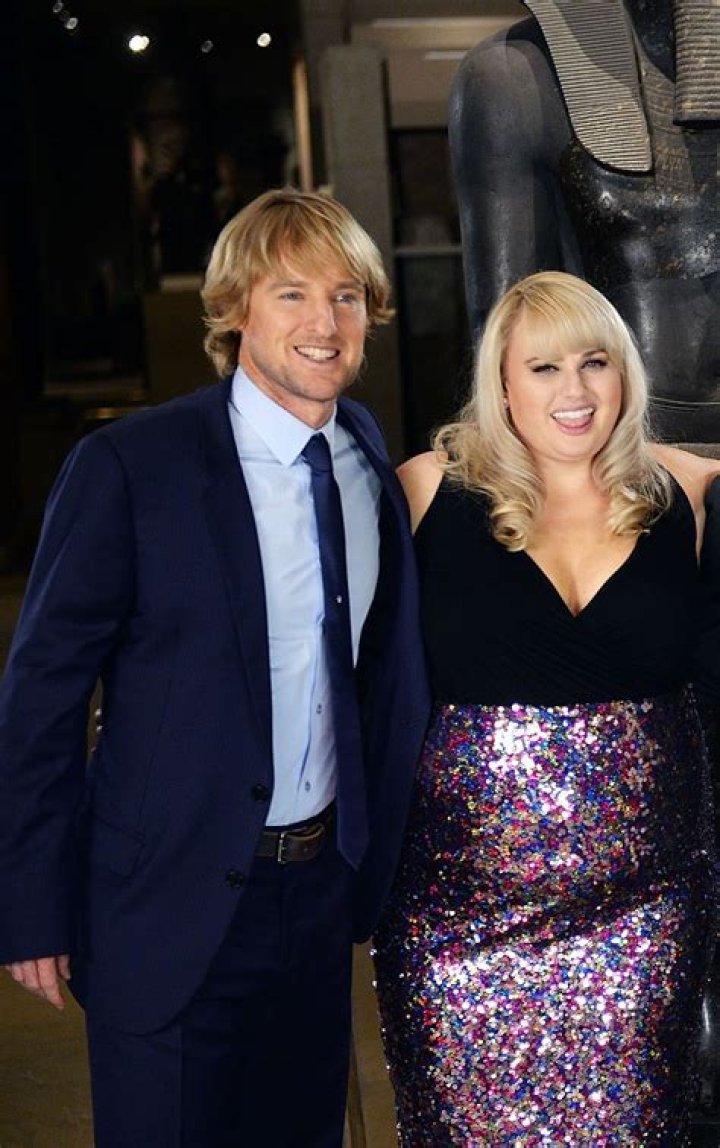
Skyler Hunt is a multi-disciplinary artist and educator whose work explores the intersection of art, science, and technology. He is known for his large-scale sculptures and installations that often incorporate light, sound, and motion.
Hunt's work has been exhibited in museums and galleries around the world, including the Smithsonian Institution, the Museum of Modern Art, and the Victoria and Albert Museum. He has also received numerous awards for his work, including a Guggenheim Fellowship and a National Endowment for the Arts grant.
In addition to his artistic practice, Hunt is also a dedicated educator. He has taught at a number of institutions, including the Rhode Island School of Design, the Massachusetts Institute of Technology, and the California Institute of the Arts. He is also the founder of the OpenLab, a non-profit organization that provides resources and support to artists and educators working at the intersection of art, science, and technology.
skyler hunt
Skyler Hunt's work is characterized by its exploration of the intersection of art, science, and technology. His large-scale sculptures and installations often incorporate light, sound, and motion, and have been exhibited in museums and galleries around the world. In addition to his artistic practice, Hunt is also a dedicated educator and the founder of the OpenLab, a non-profit organization that provides resources and support to artists and educators working at the intersection of art, science, and technology.
- Multidisciplinary artist
- Educator
- Sculptor
- Installation artist
- Light artist
- Sound artist
- Motion artist
- Guggenheim Fellow
- National Endowment for the Arts grant recipient
- OpenLab founder
Hunt's work is often inspired by scientific and technological concepts, and he frequently collaborates with scientists and engineers to create his artwork. His work has been praised for its beauty, its originality, and its ability to communicate complex ideas in a clear and accessible way.
Multidisciplinary artist
A multidisciplinary artist is someone who works across multiple disciplines, often combining different media and techniques in their work. Skyler Hunt is a multidisciplinary artist whose work explores the intersection of art, science, and technology. He is known for his large-scale sculptures and installations that often incorporate light, sound, and motion.
- Combining different media and techniques
Hunt's work often combines different media and techniques, such as sculpture, installation, light, sound, and motion. This allows him to create complex and immersive artworks that engage the viewer on multiple levels.
- Collaboration
Hunt frequently collaborates with scientists and engineers to create his artwork. This allows him to bring new perspectives and expertise to his work, and to create artworks that are both visually and intellectually engaging.
- Exploration of new ideas
Hunt's work often explores new ideas and concepts. He is not afraid to experiment with different materials and techniques, and to push the boundaries of what is possible in art.
- Communication
Hunt's work is often designed to communicate complex ideas in a clear and accessible way. He wants his viewers to be able to understand and appreciate his work, even if they don't have a background in art or science.
Hunt's work as a multidisciplinary artist is significant because it allows him to create unique and innovative artworks that explore the intersection of art, science, and technology. His work is also important because it helps to break down the barriers between different disciplines, and to create a more inclusive and interdisciplinary approach to art.
Educator
Skyler Hunt is a dedicated educator in addition to his artistic practice. He has taught at a number of institutions, including the Rhode Island School of Design, the Massachusetts Institute of Technology, and the California Institute of the Arts. He is also the founder of the OpenLab, a non-profit organization that provides resources and support to artists and educators working at the intersection of art, science, and technology.
Hunt's work as an educator is significant because it allows him to share his knowledge and expertise with others. He is passionate about teaching and helping others to learn about art, science, and technology. He is also committed to creating a more inclusive and interdisciplinary approach to art education.
Hunt's work as an educator has had a positive impact on the lives of many students and artists. He has helped to inspire a new generation of artists who are interested in exploring the intersection of art, science, and technology. He has also helped to create a more inclusive and interdisciplinary approach to art education.
Sculptor
Skyler Hunt is a sculptor who creates large-scale sculptures and installations that often incorporate light, sound, and motion. His work is often inspired by scientific and technological concepts, and he frequently collaborates with scientists and engineers to create his artwork.
As a sculptor, Hunt is interested in exploring the physical properties of materials and the ways in which they can be used to create form and space. He is also interested in the relationship between the viewer and the artwork, and how the viewer's experience of the artwork can be shaped by the way it is installed and presented.
Hunt's work as a sculptor has been praised for its beauty, its originality, and its ability to communicate complex ideas in a clear and accessible way. His work has been exhibited in museums and galleries around the world, and he has received numerous awards for his work, including a Guggenheim Fellowship and a National Endowment for the Arts grant.
Installation artist
Skyler Hunt is an installation artist who creates large-scale sculptures and installations that often incorporate light, sound, and motion. His work is often inspired by scientific and technological concepts, and he frequently collaborates with scientists and engineers to create his artwork.
- Immersive experiences
Hunt's installations are often designed to be immersive experiences, surrounding the viewer with light, sound, and motion. This can create a powerful and transformative experience for the viewer, allowing them to feel fully engaged with the artwork.
- Site-specificity
Hunt's installations are often site-specific, meaning that they are created in response to the specific location in which they will be installed. This allows Hunt to take into account the unique features of the space, such as its architecture, history, and surroundings, and to create an artwork that is tailored to that particular location.
- Collaboration
Hunt frequently collaborates with scientists, engineers, and other artists to create his installations. This allows him to bring new perspectives and expertise to his work, and to create artworks that are both visually and intellectually engaging.
- Exploration of new ideas
Hunt's installations often explore new ideas and concepts. He is not afraid to experiment with different materials and techniques, and to push the boundaries of what is possible in art. This can lead to the creation of groundbreaking and innovative artworks that challenge our understanding of the world around us.
Hunt's work as an installation artist is significant because it allows him to create unique and innovative artworks that explore the intersection of art, science, and technology. His work is also important because it helps to break down the barriers between different disciplines, and to create a more inclusive and interdisciplinary approach to art.
Light artist
Skyler Hunt is a light artist who creates large-scale sculptures and installations that often incorporate light, sound, and motion. His work is often inspired by scientific and technological concepts, and he frequently collaborates with scientists and engineers to create his artwork.
- Light as a medium
Hunt uses light as a medium to create immersive and transformative experiences for the viewer. His installations often surround the viewer with light, creating a sense of awe and wonder. Hunt also uses light to explore the physical properties of materials and the ways in which they can be used to create form and space.
- Collaboration with scientists and engineers
Hunt frequently collaborates with scientists and engineers to create his artwork. This allows him to bring new perspectives and expertise to his work, and to create artworks that are both visually and intellectually engaging. For example, Hunt has collaborated with scientists to create installations that explore the properties of light and sound, and with engineers to create installations that respond to the movement of the viewer.
- Exploration of new ideas and concepts
Hunt's work as a light artist often explores new ideas and concepts. He is not afraid to experiment with different materials and techniques, and to push the boundaries of what is possible in art. This can lead to the creation of groundbreaking and innovative artworks that challenge our understanding of the world around us.
Hunt's work as a light artist is significant because it allows him to create unique and innovative artworks that explore the intersection of art, science, and technology. His work is also important because it helps to break down the barriers between different disciplines, and to create a more inclusive and interdisciplinary approach to art.
Sound artist
Skyler Hunt is a sound artist who creates large-scale sculptures and installations that often incorporate light, sound, and motion. His work is often inspired by scientific and technological concepts, and he frequently collaborates with scientists and engineers to create his artwork.
As a sound artist, Hunt is interested in exploring the physical properties of sound and the ways in which it can be used to create form and space. He is also interested in the relationship between the viewer and the artwork, and how the viewer's experience of the artwork can be shaped by the way it is installed and presented.
Hunt's work as a sound artist has been praised for its beauty, its originality, and its ability to communicate complex ideas in a clear and accessible way. His work has been exhibited in museums and galleries around the world, and he has received numerous awards for his work, including a Guggenheim Fellowship and a National Endowment for the Arts grant.
One of Hunt's most well-known works is "Sonic Runway," an installation that was created for the 2010 Winter Olympics in Vancouver, Canada. The installation consisted of a series of speakers that were placed along a 100-meter stretch of the Olympic ski jump. As skiers jumped off the ramp, they triggered the speakers, which played a variety of sounds. The sounds were designed to create a sonic landscape that was both immersive and interactive, and they allowed the skiers to become part of the artwork.
Hunt's work as a sound artist is significant because it allows him to create unique and innovative artworks that explore the intersection of art, science, and technology. His work is also important because it helps to break down the barriers between different disciplines, and to create a more inclusive and interdisciplinary approach to art.
Motion artist
Skyler Hunt is a motion artist who creates large-scale sculptures and installations that often incorporate light, sound, and motion. His work is often inspired by scientific and technological concepts, and he frequently collaborates with scientists and engineers to create his artwork.
- Kinetic art
Hunt's work often incorporates kinetic art, which is art that moves or changes over time. This can be achieved through the use of motors, gears, and other mechanical devices. Hunt's kinetic sculptures are often designed to be interactive, allowing the viewer to control the movement of the artwork.
- Robotics
Hunt also uses robotics in his work to create sculptures and installations that move and interact with the viewer. For example, his work "Autonomous Spheres" consists of a series of robotic spheres that move around a space, responding to the presence of the viewer.
- Projection mapping
Hunt also uses projection mapping in his work to create immersive and interactive experiences. Projection mapping is a technique that uses projectors to project images onto objects or surfaces. Hunt's projection mapping installations often allow the viewer to interact with the projected images, creating a unique and engaging experience.
- Collaboration
Hunt frequently collaborates with scientists, engineers, and other artists to create his artwork. This allows him to bring new perspectives and expertise to his work, and to create artworks that are both visually and intellectually engaging.
Hunt's work as a motion artist is significant because it allows him to create unique and innovative artworks that explore the intersection of art, science, and technology. His work is also important because it helps to break down the barriers between different disciplines, and to create a more inclusive and interdisciplinary approach to art.
Guggenheim Fellow
The Guggenheim Fellowship is a prestigious award given to artists, scholars, and scientists who have demonstrated exceptional creativity and intellectual achievement. Skyler Hunt is one of the many talented individuals who have been awarded a Guggenheim Fellowship.
- Recognition of Artistic Excellence
The Guggenheim Fellowship is widely recognized as one of the most prestigious awards in the arts. It is a testament to Skyler Hunt's exceptional talent and creativity that he has been awarded this fellowship.
- Financial Support
The Guggenheim Fellowship provides financial support to artists, scholars, and scientists so that they can pursue their creative and intellectual endeavors. This support has allowed Skyler Hunt to continue his groundbreaking work at the intersection of art, science, and technology.
- Community of Fellows
The Guggenheim Fellowship also provides a community of fellows who can support and inspire each other. Skyler Hunt has benefited from the opportunity to connect with other talented artists, scholars, and scientists through the Guggenheim Fellowship program.
- Legacy
The Guggenheim Fellowship is a legacy award that will continue to benefit Skyler Hunt throughout his career. It is a mark of his exceptional achievement and will open doors to new opportunities in the future.
The Guggenheim Fellowship is a significant achievement for Skyler Hunt. It is a testament to his exceptional talent and creativity, and it will provide him with the support and resources he needs to continue his groundbreaking work at the intersection of art, science, and technology.
National Endowment for the Arts grant recipient
The National Endowment for the Arts (NEA) is a federal agency that supports the arts in the United States. The NEA provides grants to artists, arts organizations, and educational institutions to support a wide range of artistic activities, including the creation, performance, and exhibition of art.
Skyler Hunt is a multidisciplinary artist who has received an NEA grant to support his work. Hunt's work explores the intersection of art, science, and technology, and he often uses light, sound, and motion in his installations. The NEA grant has allowed Hunt to continue his groundbreaking work and to reach a wider audience.
The NEA grant is a significant achievement for Hunt. It is a testament to his exceptional talent and creativity, and it will provide him with the support and resources he needs to continue his groundbreaking work. The NEA grant is also a valuable investment in the arts in the United States. It helps to support the creation of new and innovative art, and it makes art more accessible to the public.
The connection between "National Endowment for the Arts grant recipient" and "skyler hunt" is significant because it demonstrates the importance of government support for the arts. The NEA grant has allowed Hunt to continue his groundbreaking work and to reach a wider audience. This is a valuable investment in the arts in the United States, and it helps to ensure that the arts continue to thrive.
OpenLab founder
Skyler Hunt is the founder of OpenLab, a non-profit organization that provides resources and support to artists and educators working at the intersection of art, science, and technology. OpenLab offers a variety of programs and services, including workshops, residencies, and exhibitions.
- Mission and Vision
OpenLab's mission is to support the creation and dissemination of new and innovative art that explores the intersection of art, science, and technology. OpenLab believes that art can be a powerful tool for understanding the world around us and for inspiring new ways of thinking.
- Programs and Services
OpenLab offers a variety of programs and services to support artists and educators working at the intersection of art, science, and technology. These programs and services include workshops, residencies, exhibitions, and grants.
- Impact
OpenLab has had a significant impact on the field of art, science, and technology. The organization has supported the creation of new and innovative art, and has helped to educate a new generation of artists and educators who are working at the intersection of art, science, and technology.
The connection between "OpenLab founder" and "skyler hunt" is significant because it demonstrates Hunt's commitment to supporting the arts and to fostering collaboration between artists, scientists, and educators. OpenLab is a valuable resource for artists and educators working at the intersection of art, science, and technology, and it plays an important role in the development of new and innovative art.
FAQs about Skyler Hunt
Skyler Hunt is a multidisciplinary artist, educator, and founder of OpenLab. His work explores the intersection of art, science, and technology.
Question 1: What is Skyler Hunt's artistic style?
Hunt's artistic style is characterized by its exploration of the intersection of art, science, and technology. He often uses light, sound, and motion in his installations to create immersive and interactive experiences. His work is often inspired by scientific and technological concepts, and he frequently collaborates with scientists and engineers to create his artwork.
Question 2: What is OpenLab?
OpenLab is a non-profit organization founded by Skyler Hunt that provides resources and support to artists and educators working at the intersection of art, science, and technology. OpenLab offers a variety of programs and services, including workshops, residencies, and exhibitions.
Question 3: What is the significance of Skyler Hunt's work?
Skyler Hunt's work is significant because it explores the intersection of art, science, and technology in new and innovative ways. His work helps to break down the barriers between different disciplines and to create a more inclusive and interdisciplinary approach to art.
Question 4: What is the impact of OpenLab?
OpenLab has had a significant impact on the field of art, science, and technology. The organization has supported the creation of new and innovative art, and has helped to educate a new generation of artists and educators who are working at the intersection of art, science, and technology.
Question 5: What are some of Skyler Hunt's most notable works?
Some of Skyler Hunt's most notable works include "Sonic Runway," an installation that was created for the 2010 Winter Olympics in Vancouver, Canada, and "Autonomous Spheres," a series of robotic spheres that move around a space, responding to the presence of the viewer.
Question 6: What awards and recognition has Skyler Hunt received?
Skyler Hunt has received numerous awards and recognitions for his work, including a Guggenheim Fellowship and a National Endowment for the Arts grant.
In summary, Skyler Hunt is a multidisciplinary artist, educator, and founder of OpenLab whose work explores the intersection of art, science, and technology. His work is significant because it helps to break down the barriers between different disciplines and to create a more inclusive and interdisciplinary approach to art.
Transition to the next article section:
Tips
The following tips can help you get started with exploring the intersection of art, science, and technology in your own work:
Tip 1: Start with what you know. What are you passionate about? What are you good at? Start by exploring the intersection of art, science, and technology in a field that you are already familiar with.
Tip 2: Collaborate with others. Working with others can help you bring new perspectives and expertise to your work. Collaborate with scientists, engineers, artists, and other creative professionals to create something truly unique.
Tip 3: Experiment. Don't be afraid to try new things. The best way to learn is by experimenting. Try different materials, techniques, and ideas. See what happens.
Tip 4: Be patient. It takes time to develop new ideas and create new work. Don't get discouraged if you don't see results immediately. Keep working at it and eventually you will achieve your goals.
Tip 5: Share your work. Once you have created something, share it with others. Get feedback from friends, family, and colleagues. This will help you to improve your work and to reach a wider audience.
By following these tips, you can explore the intersection of art, science, and technology in your own work and create something truly unique.
Key takeaways:
- Start with what you know.
- Collaborate with others.
- Experiment.
- Be patient.
- Share your work.
These tips can help you to:
- Develop new ideas.
- Create new work.
- Reach a wider audience.
- Make a difference in the world.
Transition to the article's conclusion:
The intersection of art, science, and technology is a vast and exciting field. There is so much to explore and so much potential for new and innovative work. By following these tips, you can get started with exploring this intersection in your own work.
Conclusion
Skyler Hunt's work is a testament to the power of collaboration and the importance of interdisciplinary approaches to art and science. By combining his expertise in art and technology, Hunt creates immersive and interactive experiences that challenge our understanding of the world around us.
Hunt's work is also significant for its ability to communicate complex ideas in a clear and accessible way. His installations and sculptures often explore scientific and technological concepts, but they do so in a way that is both visually appealing and intellectually stimulating. This makes his work accessible to a wide range of audiences, from art enthusiasts to scientists and engineers.
As we move into the future, it is increasingly important to find ways to bridge the gap between art, science, and technology. Skyler Hunt's work is a model for how this can be done. His work shows us that these disciplines are not mutually exclusive, but rather complementary. By combining them, we can create new and innovative ways to understand and experience the world around us.