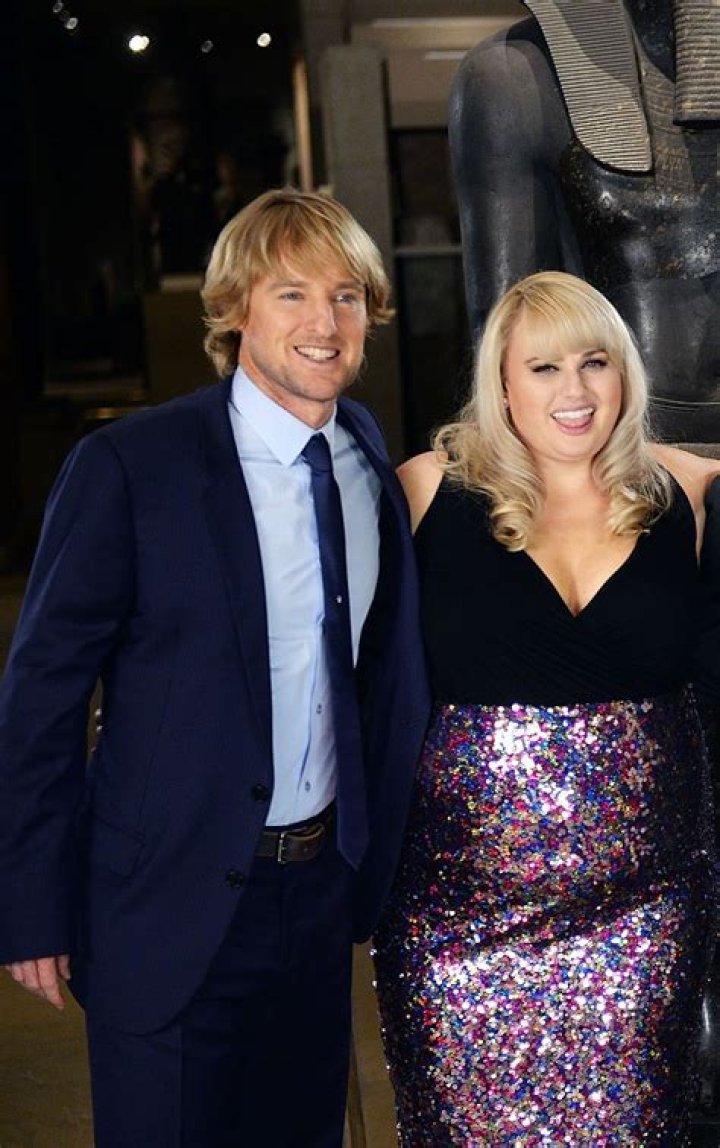
Adam Sandler's Wife Changed Her Religion refers to the conversion of Jackie Sandler, the wife of renowned actor Adam Sandler, from the Catholic faith to Judaism.
Religious conversions can hold significant personal, cultural, and societal implications, often reflecting individual beliefs, spiritual journeys, and the evolution of religious landscapes. Throughout history, conversions have played a pivotal role in the propagation of religions and the formation of diverse religious communities.
This article delves into the circumstances surrounding Jackie Sandler's conversion, exploring the personal motivations, the impact on her family, and the implications for interfaith relationships in contemporary society.
Adam Sandler's Wife Changed Her Religion
When discussing "Adam Sandler's Wife Changed Her Religion," several key aspects come into focus, each contributing to a nuanced understanding of this event.
- Conversion: The act of adopting a new religious belief.
- Interfaith: Relating to or involving different religions.
- Personal Journey: The individual's spiritual and emotional experiences.
- Familial Impact: The effects on family relationships and dynamics.
- Cultural Context: The societal and cultural milieu surrounding the conversion.
- Public Perception: The reactions and opinions of the wider community.
- Historical Precedents: Similar conversions throughout history.
- Religious Significance: The spiritual and doctrinal implications of the conversion.
These aspects are interconnected, shedding light on the complexities of religious change. Jackie Sandler's conversion, for instance, reflects her personal journey and its impact on her relationship with Adam Sandler, an interfaith marriage that has garnered public attention. Furthermore, it highlights the evolving nature of religious identity in contemporary society, where individuals navigate diverse spiritual paths and negotiate the boundaries between different faiths.
Personal Details and Bio Data of Jackie Sandler:| Attribute | Detail ||---|---|| Birth Name | Jacqueline Samantha Titone || Birth Date | September 24, 1974 || Birth Place | Coral Springs, Florida, U.S. || Spouse | Adam Sandler (m. 2003) || Children | Sadie Madison Sandler, Sunny Madeline Sandler || Occupation | Actress, Model || Religion | Judaism |
Conversion
In the context of "Adam Sandler's Wife Changed Her Religion," conversion refers to the process of adopting a new religious belief. This transformative act involves various facets, each contributing to a deeper understanding of Jackie Sandler's journey.
- Personal Journey
Conversion is often a deeply personal experience, driven by individual beliefs, spiritual growth, and life events. Jackie Sandler's decision to convert to Judaism was influenced by her own spiritual exploration and desire for a closer connection with her husband's faith. - Religious Doctrine
Conversion entails embracing the doctrines, rituals, and practices of a new religion. Jackie Sandler's conversion to Judaism involved studying Jewish texts, observing Jewish traditions, and incorporating Jewish practices into her daily life. - Community and Belonging
Conversion often leads to a sense of community and belonging within the newly adopted religion. Jackie Sandler's conversion to Judaism allowed her to connect with other Jewish individuals and participate in Jewish communal activities. - Interfaith Dynamics
Conversion can impact interfaith relationships and family dynamics. Jackie Sandler's conversion to Judaism, while supported by her husband, may have presented unique challenges in navigating interfaith aspects of their marriage and family life.
Jackie Sandler's conversion to Judaism highlights the multifaceted nature of conversion, encompassing personal motivations, religious practices, communal connections, and interfaith considerations. It underscores the significance of religious change in shaping individuals' lives and the dynamics of their relationships.
Interfaith
In the context of "Adam Sandler's Wife Changed Her Religion," interfaith plays a critical role in understanding the dynamics of the event. Interfaith relationships involve individuals from different religious backgrounds, often leading to unique challenges and opportunities in navigating religious differences.
Jackie Sandler's conversion to Judaism, in the context of her marriage to Adam Sandler who is Jewish, exemplifies an interfaith relationship. This interfaith dynamic has influenced their family life, requiring sensitivity, understanding, and a willingness to embrace both religious traditions. The couple's decision to raise their children with exposure to both Judaism and Catholicism demonstrates their commitment to fostering interfaith harmony.
Real-life examples of interfaith relationships like Adam and Jackie Sandler's highlight the complexities of negotiating religious differences while maintaining a strong bond. Interfaith families often create their own unique blend of traditions, rituals, and beliefs, reflecting the diverse religious backgrounds of their members. This process of interfaith negotiation can lead to a deeper understanding of different religions and a broader perspective on spirituality.
The broader implications of interfaith relationships extend beyond individual families, influencing societal attitudes and fostering religious tolerance. By engaging in interfaith dialogue and cooperation, communities can break down barriers and promote peaceful coexistence among people of different faiths. Furthermore, interfaith understanding can help dispel stereotypes, reduce prejudice, and build bridges between diverse religious groups.
Personal Journey
Within the context of "Adam Sandler's Wife Changed Her Religion", the personal journey encompasses Jackie Sandler's spiritual and emotional experiences that led to her conversion to Judaism. This transformative process involves a multitude of factors, each contributing to her unique religious trajectory.
- Introspection and Self-Discovery
Jackie Sandler's journey began with a period of introspection and self-discovery. She embarked on a quest to understand her own beliefs, values, and spiritual needs, which ultimately led her to explore Judaism more deeply. - Influence of Others
Jackie Sandler's personal interactions with people in the Jewish community played a significant role in her conversion. Engaging with rabbis, Jewish friends, and family members provided her with firsthand insights into the Jewish faith, fostering a sense of connection and belonging. - Life Events and Circumstances
Jackie Sandler's life events and circumstances also contributed to her decision to convert. Her marriage to Adam Sandler, a Jewish man, as well as her desire to raise her children in a Jewish household, influenced her spiritual journey and the timing of her conversion. - Emotional and Spiritual Fulfillment
Ultimately, Jackie Sandler's conversion was driven by her desire for emotional and spiritual fulfillment. She found that Judaism resonated with her personal beliefs and values, providing her with a sense of purpose and connection to a larger community.
Jackie Sandler's personal journey highlights the complex interplay of introspection, external influences, and personal circumstances that shape an individual's religious conversion. Her experience underscores the deeply personal and transformative nature of such journeys.
Familial Impact
The conversion of Jackie Sandler to Judaism has had a significant impact on her family relationships and dynamics. Her decision to embrace a different religion from her Catholic upbringing has presented both opportunities and challenges for her marriage, her relationship with her children, and her extended family.
One of the most notable effects of Jackie Sandler's conversion has been the strengthening of her bond with her husband, Adam Sandler. Their shared faith has created a deeper level of connection and understanding within their marriage, fostering a sense of unity and common purpose. However, the conversion has also introduced some challenges, particularly in navigating the different religious practices and traditions that each of them brings to the relationship.
The impact of Jackie Sandler's conversion on her children has also been significant. Adam and Jackie have chosen to raise their children in a Jewish household, exposing them to both Jewish and Catholic traditions. This approach has allowed their children to develop a strong sense of their Jewish identity while also maintaining a connection to their mother's Catholic heritage.
Jackie Sandler's decision to convert to Judaism is a testament to the transformative power of personal journeys and the complexities of religious change within families. Her experience highlights the importance of open communication, mutual respect, and a willingness to embrace diversity in order to maintain strong family relationships amidst religious differences.
Cultural Context
The cultural context surrounding Jackie Sandler's conversion to Judaism played a significant role in shaping her decision and its impact on her life. The United States, where she resides, is a nation with a long history of religious diversity and tolerance, which provided a supportive environment for her conversion.
Furthermore, the cultural climate of Hollywood, where Jackie Sandler is active as an actress, is one that embraces and celebrates interfaith relationships and diverse spiritual paths. This cultural acceptance helped normalize her conversion and made it easier for her to navigate the challenges that came with it.
Jackie Sandler's experience reflects the broader trend of increasing interfaith marriages and conversions in contemporary society. As societies become more diverse and interconnected, individuals are more likely to encounter and engage with different religious traditions. This exposure can lead to a greater understanding and appreciation of religious diversity, making it more acceptable for people to change their religious affiliations.
The connection between cultural context and religious conversion is evident in many real-life examples. For instance, the rise of interfaith marriages in countries like India and the United Kingdom has been influenced by cultural factors such as increased globalization and urbanization, which have brought people from different religious backgrounds into closer contact.
Understanding the cultural context of religious conversion is essential for gaining a comprehensive perspective on the topic. It helps us recognize the factors that shape individual decisions, the challenges and opportunities that may arise, and the broader societal implications of religious change.
Public Perception
Public perception plays a significant role in shaping the experiences of individuals who convert to a different religion. In the case of Jackie Sandler's conversion to Judaism, public perception has had both positive and negative effects on her life.
On the one hand, the generally positive public perception of interfaith relationships in the United States has provided a supportive environment for Jackie Sandler's conversion. She has been able to share her journey with others and has received encouragement from many within the wider community. This positive perception has helped to normalize her conversion and has made it easier for her to navigate the challenges that come with being a public figure who has converted to a different religion.
On the other hand, Jackie Sandler has also faced some negative public perception due to her conversion. Some individuals have criticized her decision to convert, and she has been the target of online harassment and trolling. This negative perception can be hurtful and can make it difficult for her to fully embrace her new faith. It is important to note that these negative reactions often stem from prejudice and a lack of understanding about different religions.
Understanding the connection between public perception and religious conversion is essential for gaining a comprehensive perspective on the topic. It helps us recognize the factors that can influence an individual's decision to convert, the challenges that they may face, and the broader societal implications of religious change. This understanding can help us to create a more inclusive and supportive environment for people who are considering converting to a different religion.
Historical Precedents
In examining "Adam Sandler's Wife Changed Her Religion," exploring historical precedents of similar conversions provides valuable insights. These precedents shed light on the broader context of religious change, offering parallels and contrasts that enrich our understanding of Jackie Sandler's journey.
- Religious Motivations
Throughout history, individuals have converted to different religions due to profound spiritual experiences, theological convictions, or a search for deeper meaning. Jackie Sandler's conversion to Judaism aligns with this pattern, reflecting her personal quest for spiritual fulfillment and connection with her husband's faith.
- Cultural Influences
Cultural factors can significantly influence religious conversions. In Jackie Sandler's case, the cultural context of Hollywood, which embraces diversity and interfaith relationships, likely played a supportive role. Similarly, historical examples exist where cultural shifts and interactions facilitated religious change.
- Political and Social Factors
Political and social factors can also impact religious conversions. Periods of religious persecution, political alliances, or social movements have influenced individuals' decisions to adopt new faiths. Understanding these factors provides context for Jackie Sandler's conversion, which occurred within a society that generally tolerates religious diversity.
- Interfaith Marriages
Interfaith marriages have often been a catalyst for religious conversions. Jackie Sandler's marriage to Adam Sandler, a Jewish man, mirrors countless historical examples where interfaith relationships have led to conversions. These unions challenge religious boundaries and create opportunities for individuals to explore different faith traditions.
By examining historical precedents of similar conversions, we gain a deeper understanding of the personal, cultural, and societal factors that shape religious change. These precedents illuminate the complexities of Jackie Sandler's conversion, highlighting its place within a broader historical context.
Religious Significance
Within the context of "Adam Sandler S Wife Changed Her Religion", understanding the religious significance of Jackie Sandler's conversion to Judaism requires an examination of its spiritual and doctrinal implications. Her decision to convert was deeply influenced by the spiritual and theological teachings of Judaism, which resonated with her personal beliefs and values.
The spiritual implications of Jackie Sandler's conversion are evident in her newfound sense of purpose and connection to a higher power. Judaism emphasizes the importance of living a meaningful life guided by ethical principles and a commitment to social justice. By embracing these teachings, Jackie Sandler has found a framework for spiritual growth and self-discovery.
The doctrinal implications of Jackie Sandler's conversion are reflected in her adoption of Jewish beliefs and practices. She has incorporated Jewish rituals, such as Shabbat observance and kosher dietary laws, into her daily life. This commitment to Jewish practices demonstrates her sincere embrace of the religion's doctrinal teachings.
Jackie Sandler's conversion highlights the transformative power of religious change and its profound impact on an individual's spiritual journey. Her experience underscores the importance of exploring and understanding the religious significance of conversion, as it shapes personal beliefs, values, and practices.
In examining "Adam Sandler's Wife Changed Her Religion," we have delved into the personal, cultural, and societal factors that shape religious conversions. Jackie Sandler's journey highlights the complex interplay of spiritual beliefs, interfaith dynamics, and the influence of personal relationships. Her conversion underscores the significance of religious change in shaping individual lives and fostering interfaith understanding.
Several key points emerge from our exploration: Firstly, religious conversions are often driven by profound spiritual experiences and a search for deeper meaning. Secondly, cultural contexts and interfaith relationships can significantly influence an individual's decision to convert. Thirdly, examining historical precedents and understanding the religious significance of conversions provide valuable insights into the complexities of religious change.
The conversion of Jackie Sandler to Judaism serves as a reminder of the transformative power of religious change. It underscores the importance of respecting individual spiritual journeys and fostering interfaith dialogue to promote mutual understanding and respect among different faith traditions.