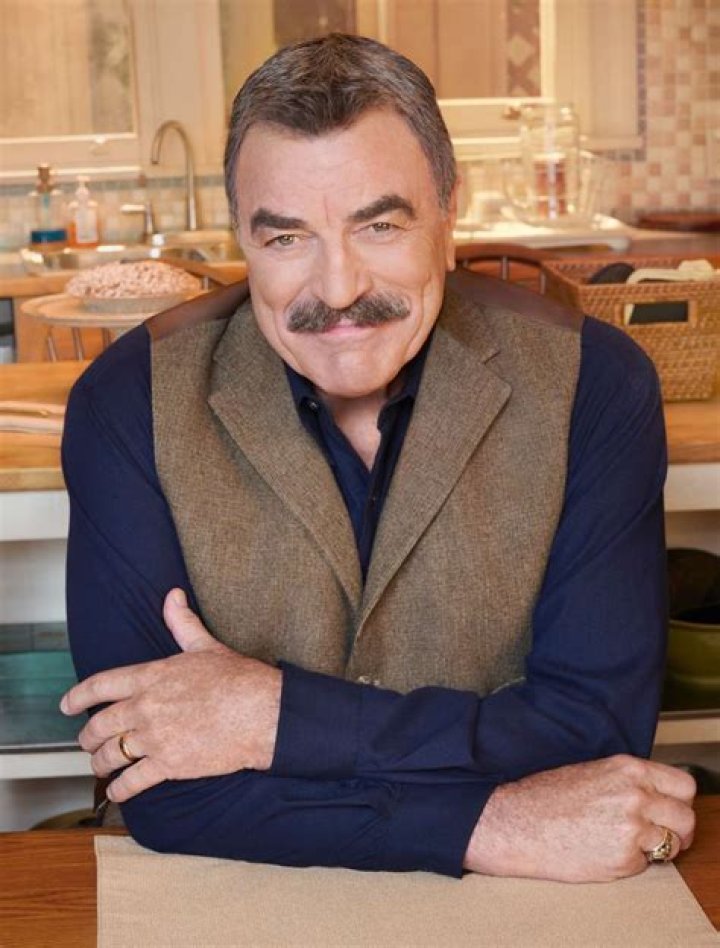
The question of whether Harrison Ford has Parkinson's disease has been a subject of speculation and discussion. Parkinson's disease is a neurodegenerative disorder that affects movement, often causing tremors, stiffness, and balance problems. While there is no definitive answer to the question of whether Ford has Parkinson's, there is some evidence that suggests he may have the condition.
In recent years, Ford has been seen with tremors in his hands, a symptom commonly associated with Parkinson's disease. Additionally, he has reportedly been diagnosed with essential tremor, a less severe movement disorder that can sometimes be a precursor to Parkinson's. However, it is important to note that essential tremor is not always a sign of Parkinson's, and many people with essential tremor never develop the more severe condition.
Ultimately, only a medical professional can diagnose Parkinson's disease. If Ford has Parkinson's, it is likely that he is in the early stages of the condition, as his symptoms are relatively mild. Parkinson's is a progressive disease, meaning that it will likely worsen over time. However, there are treatments available that can help to slow the progression of the disease and improve quality of life.
Does Harrison Ford Have Parkinson's?
Harrison Ford is an American actor who has starred in numerous films, including the "Star Wars" and "Indiana Jones" franchises. In recent years, there has been speculation that Ford may have Parkinson's disease, a neurodegenerative disorder that affects movement. While there is no definitive answer to this question, there is some evidence that suggests he may have the condition.
- Tremors: Ford has been seen with tremors in his hands, a symptom commonly associated with Parkinson's disease.
- Essential tremor: Ford has reportedly been diagnosed with essential tremor, a less severe movement disorder that can sometimes be a precursor to Parkinson's.
- Age: Ford is 80 years old, which is within the typical age range for the onset of Parkinson's disease.
- Progression: Parkinson's disease is a progressive disease, meaning that it will likely worsen over time.
- Treatment: There are treatments available that can help to slow the progression of Parkinson's disease and improve quality of life.
- Privacy: Ford has not publicly commented on his health, so it is possible that he is trying to keep his condition private.
- Speculation: The speculation about Ford's health is based on his symptoms and age, but it is important to note that he has not been diagnosed with Parkinson's disease.
- Diagnosis: Only a medical professional can diagnose Parkinson's disease.
- Support: Ford has a large and supportive family and fan base, who would likely rally around him if he were diagnosed with Parkinson's disease.
- Legacy: Ford has had a long and successful career, and his legacy would not be diminished if he were diagnosed with Parkinson's disease.
Ultimately, only time will tell whether or not Harrison Ford has Parkinson's disease. However, the speculation about his health is a reminder that this is a serious condition that affects millions of people around the world. Parkinson's disease is a progressive disease, but there are treatments available that can help to slow its progression and improve quality of life.
| Name | Birth Date | Birth Place | Occupation |
|---|---|---|---|
| Harrison Ford | July 13, 1942 | Chicago, Illinois | Actor |
Tremors
Tremors are a common symptom of Parkinson's disease, and they can be one of the first signs of the condition. Tremors can affect any part of the body, but they are most commonly seen in the hands, arms, and legs. They can be mild or severe, and they can range from a slight shaking to a more pronounced trembling.
The tremors associated with Parkinson's disease are caused by damage to the basal ganglia, a group of structures deep within the brain that help to control movement. This damage leads to a decrease in the production of dopamine, a neurotransmitter that is essential for normal movement.
The tremors of Parkinson's disease can be treated with medication, which can help to improve movement and reduce the severity of the tremors. However, there is no cure for Parkinson's disease, and the tremors will likely worsen over time.
The presence of tremors in Harrison Ford's hands is a potential sign that he may have Parkinson's disease. However, it is important to note that tremors can also be caused by other conditions, such as essential tremor. Essential tremor is a less severe movement disorder that is not typically associated with Parkinson's disease.
Only a medical professional can diagnose Parkinson's disease. If Ford is diagnosed with Parkinson's disease, it is likely that he is in the early stages of the condition, as his symptoms are relatively mild.
Essential tremor
Essential tremor is a neurological disorder that causes involuntary shaking. It is the most common movement disorder, affecting an estimated 0.4-3.9% of the population. Essential tremor can affect any part of the body, but it is most commonly seen in the hands, arms, and head. The tremors can range from mild to severe, and they can interfere with daily activities such as eating, writing, and dressing.
The cause of essential tremor is unknown, but it is thought to be related to abnormal activity in the cerebellum, a part of the brain that helps to coordinate movement. Essential tremor is not typically a serious condition, and it does not usually lead to disability. However, it can be embarrassing and it can interfere with quality of life.
There is no cure for essential tremor, but there are treatments that can help to reduce the severity of the tremors. These treatments include medication, surgery, and deep brain stimulation.
The fact that Harrison Ford has been diagnosed with essential tremor is a potential sign that he may have Parkinson's disease. However, it is important to note that essential tremor is not always a precursor to Parkinson's disease. Many people with essential tremor never develop Parkinson's disease.
Only a medical professional can diagnose Parkinson's disease. If Ford is diagnosed with Parkinson's disease, it is likely that he is in the early stages of the condition, as his symptoms are relatively mild.
Age
Age is a significant factor in the development of Parkinson's disease. The risk of developing Parkinson's disease increases with age, and most people with Parkinson's disease are diagnosed after the age of 60. The average age of onset is around 60 years old, but it can occur at any age.
- Increased risk with age: The risk of developing Parkinson's disease doubles every 10 years after the age of 50. This means that people over the age of 80 are at a significantly higher risk of developing Parkinson's disease than younger people.
- Environmental factors: Exposure to certain environmental toxins, such as pesticides and herbicides, has been linked to an increased risk of developing Parkinson's disease.
- Genetic factors: A family history of Parkinson's disease increases the risk of developing the condition. However, most people with Parkinson's disease do not have a family history of the condition.
- Other risk factors: Other risk factors for Parkinson's disease include head trauma, low levels of physical activity, and a diet low in antioxidants.
The fact that Harrison Ford is 80 years old is a potential risk factor for Parkinson's disease. However, it is important to note that age is just one risk factor, and many people over the age of 80 do not develop Parkinson's disease. Only a medical professional can diagnose Parkinson's disease, and it is important to remember that speculation about a person's health is never appropriate.
Progression
Parkinson's disease is a progressive neurological disorder that affects movement. It is caused by the loss of dopamine-producing cells in the brain. Dopamine is a neurotransmitter that helps to control movement. As the number of dopamine-producing cells decreases, the brain is less able to control movement, leading to the symptoms of Parkinson's disease.
The symptoms of Parkinson's disease can vary depending on the individual. Some of the most common symptoms include:
- Tremors
- Stiffness
- Bradykinesia (slowed movement)
- Postural instability (difficulty with balance)
- Speech problems
- Cognitive impairment
The progression of Parkinson's disease can vary from person to person. Some people may experience a slow progression of symptoms, while others may experience a more rapid progression. There is no cure for Parkinson's disease, but there are treatments that can help to slow the progression of the disease and improve quality of life.
The fact that Parkinson's disease is a progressive disease is an important consideration when discussing whether or not Harrison Ford has Parkinson's disease. If Ford does have Parkinson's disease, it is likely that his symptoms will worsen over time. This is something that he and his family should be aware of, so that they can make plans for the future.
Only a medical professional can diagnose Parkinson's disease. If you are concerned that you or someone you know may have Parkinson's disease, it is important to see a doctor for an evaluation.
Treatment
If Harrison Ford has Parkinson's disease, there are treatments available that can help to slow the progression of the disease and improve his quality of life. These treatments include medication, surgery, and deep brain stimulation.
- Medication: There are a number of different medications that can be used to treat Parkinson's disease. These medications work by increasing the levels of dopamine in the brain or by mimicking the effects of dopamine.
- Surgery: Surgery can be an option for people with Parkinson's disease who do not respond well to medication. Surgery can involve implanting a device into the brain that delivers electrical stimulation to the basal ganglia. This can help to reduce tremors and other symptoms of Parkinson's disease.
- Deep brain stimulation: Deep brain stimulation is another surgical option for people with Parkinson's disease. This procedure involves implanting a small electrode into the brain. The electrode is connected to a pacemaker-like device that delivers electrical stimulation to the brain. This can help to improve movement and reduce other symptoms of Parkinson's disease.
The availability of these treatments is an important consideration when discussing whether or not Harrison Ford has Parkinson's disease. If Ford does have Parkinson's disease, he has access to treatments that can help to slow the progression of the disease and improve his quality of life.
Privacy
The connection between privacy and the question of whether or not Harrison Ford has Parkinson's is significant. Parkinson's disease is a progressive neurological disorder that affects movement. It is a serious condition that can have a significant impact on a person's quality of life. As such, it is understandable that Ford may wish to keep his health condition private.
There are a number of reasons why Ford may choose to keep his health condition private. He may wish to protect his privacy and avoid the public scrutiny that can come with a high-profile diagnosis. He may also wish to avoid the stigma that can be associated with Parkinson's disease. Additionally, he may simply wish to focus on his health and well-being without the added pressure of public attention.
Whatever his reasons, Ford's decision to keep his health condition private is a personal one. It is important to respect his privacy and to avoid speculating about his health. Only Ford can decide when and if he wishes to share his health information with the public.
It is important to note that Parkinson's disease is a serious condition, but it is not a death sentence. With proper treatment, people with Parkinson's disease can live full and active lives. Ford is a strong and resilient individual, and he has the support of his family and friends. He will undoubtedly face challenges as he manages his health condition, but he is determined to live his life to the fullest. We should all respect his privacy and wish him well.
Speculation
The speculation about Harrison Ford's health is largely based on his symptoms and age. Ford has been seen with tremors in his hands, a symptom commonly associated with Parkinson's disease. Additionally, he is 80 years old, which is within the typical age range for the onset of Parkinson's disease. However, it is important to note that Ford has not been diagnosed with Parkinson's disease, and these symptoms could be caused by other conditions.
It is important to be cautious about speculating about someone's health, especially when they have not been diagnosed with a specific condition. Speculation can lead to misinformation and stigma, and it can be harmful to the individual involved. In Ford's case, the speculation about his health has been fueled by the fact that he is a public figure. However, it is important to remember that he is a private individual, and he has the right to keep his health information confidential.
If you are concerned about someone's health, the best thing to do is to encourage them to see a doctor. Only a doctor can diagnose a medical condition, and they can provide the best advice on how to manage it.
Diagnosis
The question of whether or not Harrison Ford has Parkinson's disease is a matter of public interest, given his status as a celebrity. However, it is important to remember that a diagnosis of Parkinson's disease can only be made by a medical professional. There are many symptoms that may be associated with Parkinson's disease, but only a doctor can determine if someone has the condition.
There are several reasons why it is important to see a doctor if you are experiencing symptoms of Parkinson's disease. First, Parkinson's disease is a progressive condition, meaning that it will worsen over time. Early diagnosis and treatment can help to slow the progression of the disease and improve quality of life. Second, there are a number of different treatments available for Parkinson's disease, and a doctor can help you to choose the best treatment for your individual needs. Finally, seeing a doctor can help to rule out other conditions that may be causing your symptoms.
If you are concerned that you or someone you know may have Parkinson's disease, it is important to see a doctor for an evaluation. Only a medical professional can diagnose Parkinson's disease and recommend the best course of treatment.
Support
The support of family and friends is an important factor in coping with any illness, and Parkinson's disease is no exception. Ford's family and fan base would likely provide him with emotional support, practical assistance, and encouragement if he were diagnosed with Parkinson's disease.
- Emotional support: Ford's family and friends could provide him with emotional support by listening to his concerns, offering words of encouragement, and helping him to stay positive. They could also help him to connect with other people who have Parkinson's disease, so that he can share his experiences and learn from others.
- Practical assistance: Ford's family and friends could provide him with practical assistance by helping him with daily tasks, such as cooking, cleaning, and running errands. They could also help him to find resources and services that can help him to manage his condition.
- Encouragement: Ford's family and friends could provide him with encouragement by reminding him of his strengths and abilities. They could also help him to set realistic goals and to stay motivated to achieve them.
The support of family and friends can make a significant difference in the lives of people with Parkinson's disease. Ford is fortunate to have a large and supportive family and fan base who would likely rally around him if he were diagnosed with Parkinson's disease.
Legacy
The suggestion that Harrison Ford's legacy would not be diminished if he were diagnosed with Parkinson's disease is a testament to his long and successful career. Ford has starred in some of the most iconic films of all time, including the "Star Wars" and "Indiana Jones" franchises. He is a beloved actor who has entertained audiences for decades.
Parkinson's disease is a serious condition, but it does not define a person. Many people with Parkinson's disease continue to live full and active lives. They may experience some challenges, but they can still achieve their goals and make a positive impact on the world.
If Ford were diagnosed with Parkinson's disease, it is likely that he would continue to act. He is a dedicated actor who loves his craft. He would not let a diagnosis of Parkinson's disease stop him from doing what he loves.
Ford's legacy is secure. He is one of the most successful and beloved actors of all time. A diagnosis of Parkinson's disease would not change that.
FAQs about Harrison Ford and Parkinson's Disease
Question 1: Does Harrison Ford have Parkinson's disease?
There is no definitive answer to this question. Ford has not publicly commented on his health, and speculation about his condition is based on his symptoms and age. However, it is important to note that Ford has not been diagnosed with Parkinson's disease.
Question 2: What are the symptoms of Parkinson's disease?
The most common symptoms of Parkinson's disease are tremors, stiffness, slow movement, and balance problems. However, the symptoms can vary from person to person.
Question 3: What causes Parkinson's disease?
The cause of Parkinson's disease is unknown, but it is thought to be related to a loss of dopamine-producing cells in the brain.
Question 4: Is Parkinson's disease curable?
There is no cure for Parkinson's disease, but there are treatments that can help to slow the progression of the disease and improve quality of life.
Question 5: How is Parkinson's disease treated?
Parkinson's disease is treated with medication, surgery, and deep brain stimulation. The best treatment for each person will vary depending on their individual needs.
Question 6: What is the prognosis for Parkinson's disease?
The prognosis for Parkinson's disease varies from person to person. Some people may experience a slow progression of symptoms, while others may experience a more rapid progression. However, with proper treatment, people with Parkinson's disease can live full and active lives.
Summary: Parkinson's disease is a serious condition, but it is important to remember that it does not define a person. Many people with Parkinson's disease continue to live full and active lives. Harrison Ford is a strong and resilient individual, and he has the support of his family and friends. He will undoubtedly face challenges as he manages his health condition, but he is determined to live his life to the fullest.
Transition to the next article section:
Parkinson's disease is a complex condition, and there is still much that we do not know about it. However, researchers are making progress in understanding the causes and progression of the disease. This research is leading to the development of new and more effective treatments for Parkinson's disease.
Tips for Understanding and Supporting Someone with Parkinson's Disease
Parkinson's disease is a complex condition that can affect a person's movement, speech, and balance. It is important to be understanding and supportive of someone who has Parkinson's disease. Here are a few tips:
Tip 1: Be patient. Parkinson's disease can make it difficult for people to move and speak. Be patient with the person and give them the time they need to communicate.
Tip 2: Be understanding. Parkinson's disease can cause a variety of symptoms, including tremors, stiffness, and balance problems. Be understanding of the person's symptoms and how they may affect their daily life.
Tip 3: Be supportive. Parkinson's disease can be a challenging condition to live with. Be supportive of the person and offer them encouragement and help when they need it.
Tip 4: Be informed. Learn about Parkinson's disease so that you can better understand the condition and how it affects the person you are supporting.
Tip 5: Be respectful. Parkinson's disease is a serious condition, but it does not define a person. Be respectful of the person and their wishes.
Tip 6: Be positive. Parkinson's disease can be a challenging condition, but it is important to stay positive. Encourage the person to focus on their strengths and abilities.
Tip 7: Be there for them. Parkinson's disease can be a lonely condition. Be there for the person and offer them your support and companionship.
By following these tips, you can help to make a difference in the life of someone with Parkinson's disease.
Summary: Parkinson's disease is a serious condition, but it is important to remember that it does not define a person. Many people with Parkinson's disease continue to live full and active lives. By being understanding, supportive, and informed, you can help to make a difference in the life of someone with Parkinson's disease.
Transition to the article's conclusion:
Parkinson's disease is a complex condition, but there is still much that we do not know about it. However, researchers are making progress in understanding the causes and progression of the disease. This research is leading to the development of new and more effective treatments for Parkinson's disease.
Conclusion
The question of whether or not Harrison Ford has Parkinson's disease is a matter of public interest, given his status as a celebrity. However, it is important to remember that a diagnosis of Parkinson's disease can only be made by a medical professional. There are many symptoms that may be associated with Parkinson's disease, but only a doctor can determine if someone has the condition.
If you are concerned about someone's health, the best thing to do is to encourage them to see a doctor. Only a medical professional can diagnose Parkinson's disease and recommend the best course of treatment.
Parkinson's disease is a serious condition, but it is important to remember that it does not define a person. Many people with Parkinson's disease continue to live full and active lives. Harrison Ford is a strong and resilient individual, and he has the support of his family and friends. He will undoubtedly face challenges as he manages his health condition, but he is determined to live his life to the fullest.
Unveiling The Enigmatic World Of Rafael Novoa: An Actor's Journey
Unveiling The Hidden Impact Of "Big Scarr Height": Unlocking Insights And Discoveries
Unveiling Tayla Singer's Age: Discoveries And Insights