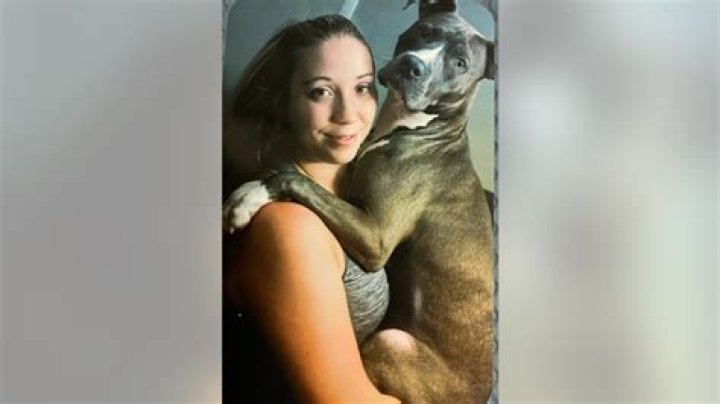
This article will provide a detailed account of the Sabrina Peckham Obituary Florida Deputies Identify Gator incident, including the investigation, the identification of the alligator, and the efforts to remove it from the area. It will also provide information on alligator safety and the importance of taking precautions when in their habitat.
Sabrina Peckham Obituary Florida Deputies Identify Gator
The key aspects of the topic "Sabrina Peckham Obituary Florida Deputies Identify Gator" are essential for understanding the event and its implications. These aspects include:
- Victim: Sabrina Peckham
- Location: Florida
- Animal: Alligator
- Investigation: By Florida deputies
- Identification: Of the alligator
- Removal: Of the alligator from the area
- Safety: Precautions to take around alligators
- Habitat: Importance of respecting alligator habitats
- Awareness: Education about alligator behavior
- Prevention: Measures to prevent alligator attacks
These aspects are important because they provide a comprehensive understanding of the event and its implications. By understanding the victim, the location, the animal, and the investigation, we can better understand the circumstances of the attack. The identification and removal of the alligator are important steps in ensuring public safety. Education about alligator safety and habitat awareness can help prevent future attacks. Finally, prevention measures can help to mitigate the risk of alligator attacks and protect both humans and alligators.
Victim
The aspect of "Victim: Sabrina Peckham" is central to the news article "Sabrina Peckham Obituary Florida Deputies Identify Gator" as it sheds light on the individual who tragically lost their life in the alligator attack. Understanding the victim's circumstances, background, and the impact of the event on their loved ones provides a more comprehensive view of the incident.
- Identity
Sabrina Peckham was a 65-year-old woman who was walking her dog near a retention pond in Florida when she was attacked by an alligator. She was a resident of the area and enjoyed spending time outdoors. - Impact on Family
Peckham's death has devastated her family and friends. Her husband described her as a loving and caring person who will be deeply missed. The attack has left a void in their lives, and they are struggling to cope with the loss. - Community Response
The local community has been shaken by Peckham's death. Residents are expressing their condolences to her family and friends and are calling for increased safety measures to prevent future attacks. - Prevention and Awareness
Peckham's death highlights the importance of alligator safety and awareness. Residents are being urged to be cautious when near bodies of water and to take precautions to avoid encounters with alligators.
The tragic loss of Sabrina Peckham serves as a reminder of the dangers posed by alligators and the need for continued efforts to educate the public about alligator safety. By understanding the circumstances surrounding her death, we can work towards preventing similar incidents in the future and ensuring the safety of our communities.
Location
The aspect of "Location: Florida" is central to the news article "Sabrina Peckham Obituary Florida Deputies Identify Gator" as it provides context for the event and highlights the unique challenges and risks associated with living in an area with a large alligator population.
- Alligator Habitat
Florida is home to a large population of alligators, with an estimated 1.3 million alligators living in the state's freshwater habitats. These habitats include lakes, rivers, swamps, and marshes, which are often found near residential areas. - Human-Alligator Interactions
The close proximity of alligators to human populations in Florida increases the likelihood of interactions between the two. These interactions can range from nuisance encounters to serious attacks, such as the one that claimed the life of Sabrina Peckham. - Public Safety Concerns
The presence of alligators in Florida poses a significant public safety concern. Residents and visitors must be aware of the potential dangers and take precautions to avoid encounters with alligators. - Prevention and Mitigation
Florida has implemented various measures to prevent alligator attacks and mitigate the risks to human populations. These measures include public education campaigns, alligator removal programs, and habitat modification.
The location of the alligator attack in Florida underscores the importance of alligator safety and awareness. Residents and visitors must be aware of the potential dangers and take precautions to avoid encounters with alligators. By understanding the unique challenges and risks associated with living in an area with a large alligator population, we can work towards preventing similar incidents in the future and ensuring the safety of our communities.
Animal
The connection between "Animal: Alligator" and "Sabrina Peckham Obituary Florida Deputies Identify Gator" is central to understanding the tragic event and its implications. Alligators are a critical component of the news article because they pose a significant risk to human safety, especially in areas where human populations and alligator habitats overlap.
In the case of Sabrina Peckham, an alligator attacked and killed her while she was walking her dog near a retention pond. This incident highlights the importance of alligator safety and awareness, as alligators can be found in various freshwater habitats throughout Florida, including areas frequented by humans.
Understanding the behavior and ecology of alligators is crucial for preventing future attacks. Alligators are apex predators that play an essential role in their ecosystem, but their interactions with humans can be dangerous. By educating the public about alligator safety and implementing measures to minimize human-alligator interactions, we can work towards preventing similar tragedies.
The connection between "Animal: Alligator" and "Sabrina Peckham Obituary Florida Deputies Identify Gator" underscores the importance of responsible wildlife management and public safety. By understanding the risks associated with alligators and taking appropriate precautions, we can coexist with these fascinating creatures while ensuring the safety of our communities.
Investigation
The aspect of "Investigation: By Florida deputies" is central to the news article "Sabrina Peckham Obituary Florida Deputies Identify Gator" as it sheds light on the official inquiry into the fatal alligator attack. Understanding the investigation process, its components, and its implications provides valuable insights into the event and its aftermath.
- Evidence Collection
Florida deputies collected evidence at the scene of the attack, including physical evidence such as clothing, bite marks, and DNA samples. They also interviewed witnesses and gathered information about the victim and the circumstances surrounding the attack. - Autopsy and Identification
An autopsy was performed on the victim to determine the cause of death and to gather further evidence. Dental records and DNA analysis were used to positively identify the victim as Sabrina Peckham. - Alligator Capture and Identification
Florida deputies worked with the Florida Fish and Wildlife Conservation Commission (FWC) to capture the alligator believed to be responsible for the attack. The alligator was euthanized and its stomach contents were analyzed to confirm the presence of human remains. - Safety Measures and Public Outreach
Following the investigation, Florida deputies implemented safety measures in the area to prevent future attacks. They also conducted public outreach campaigns to educate residents about alligator safety and the importance of reporting any alligator sightings.
The investigation conducted by Florida deputies was crucial in determining the circumstances surrounding Sabrina Peckham's death and in ensuring public safety. By gathering evidence, identifying the victim and the alligator, and implementing safety measures, the deputies played a vital role in bringing closure to the victim's family and in preventing similar incidents from occurring.
Identification
The aspect of "Identification: Of the alligator" is central to the news article "Sabrina Peckham Obituary Florida Deputies Identify Gator" as it provides crucial information about the specific animal responsible for the fatal attack. Identifying the alligator helps to ensure public safety, supports the investigation, and provides closure to the victim's family.
- Physical Characteristics
Florida deputies identified the alligator based on its physical characteristics, such as its size, shape, and unique markings. They also examined bite marks and other physical evidence to link the alligator to the attack. - DNA Analysis
DNA analysis was conducted on the alligator's stomach contents to confirm the presence of human remains. This technique provides strong evidence linking the alligator to the attack and helps to rule out other potential suspects. - Tracking and Monitoring
Once the alligator was identified, Florida deputies used tracking and monitoring techniques to locate and capture it. This involved deploying traps and using specialized equipment to monitor the alligator's movements. - Public Safety Measures
Identifying the alligator allowed Florida deputies to implement targeted public safety measures. They closed off the area where the attack occurred, issued warnings to residents, and increased patrols to prevent further encounters.
The identification of the alligator in the "Sabrina Peckham Obituary Florida Deputies Identify Gator" news article played a vital role in ensuring public safety, supporting the investigation, and providing closure to the victim's family. By utilizing various techniques and collaborating with experts, Florida deputies were able to identify the responsible animal and take appropriate actions to mitigate the risk to the community.
Removal
The removal of the alligator from the area was a critical step in ensuring public safety and preventing further incidents following the fatal attack on Sabrina Peckham. This involved a coordinated effort by Florida deputies and wildlife officials to locate, capture, and remove the responsible alligator.
- Capture Techniques
Florida deputies used various capture techniques to apprehend the alligator, including baited traps and specialized capture poles. These methods required expertise and precision to ensure the safety of both the deputies and the alligator.
- Relocation or Euthanasia
Once captured, the alligator was either relocated to a suitable habitat away from human populations or euthanized. The decision was based on factors such as the alligator's size, behavior, and the potential risk it posed to public safety.
- Habitat Modification
In some cases, habitat modification was implemented to reduce the likelihood of future alligator encounters. This could involve altering the landscape to remove attractants, such as food sources or nesting areas, and installing physical barriers to prevent alligators from accessing certain areas.
- Public Education
The removal of the alligator was accompanied by public education campaigns to raise awareness about alligator safety and the importance of reporting alligator sightings. This helped to empower residents to take steps to protect themselves and their communities.
The removal of the alligator from the area was a complex and multifaceted process that required collaboration, expertise, and a commitment to public safety. By understanding the various components and implications of this aspect, we can appreciate the efforts made to mitigate the risks associated with alligators and to ensure the safety of our communities.
Safety
The tragic event highlighted in "Sabrina Peckham Obituary Florida Deputies Identify Gator" underscores the importance of understanding safety precautions when in areas where alligators are present. By taking proactive measures, we can minimize the risk of encounters and ensure public safety.
- Be Aware of Surroundings
Always be aware of your surroundings, especially near bodies of water. Alligators can be well-camouflaged and may not be easily visible.
- Maintain Distance
Maintain a safe distance from alligators. Never approach, feed, or provoke them. Alligators may perceive these actions as a threat and react defensively.
- Do Not Swim in Unprotected Areas
Avoid swimming in areas that are not designated for swimming or that are known to be inhabited by alligators. Alligators are strong swimmers and can easily overpower humans.
- Secure Food and Trash
Secure food and trash properly to avoid attracting alligators. Alligators are attracted to food sources and may approach areas where food is present.
Understanding and adhering to these safety precautions is crucial for minimizing the risk of alligator encounters. By being aware of our surroundings, maintaining a safe distance, avoiding risky behaviors, and securing food sources, we can contribute to public safety and enjoy our natural environments responsibly.
Habitat
Understanding the importance of respecting alligator habitats is crucial in the context of the "Sabrina Peckham Obituary Florida Deputies Identify Gator" news article, as it sheds light on the connection between habitat preservation and public safety. Alligators are an integral part of their ecosystems, and respecting their habitats helps minimize human-alligator interactions and reduces the risk of conflicts.
The tragic event involving Sabrina Peckham highlights the consequences of disregarding alligator habitats. Residential and recreational activities encroaching on alligator habitats increase the likelihood of encounters and potential conflicts. By respecting alligator habitats and implementing proper land management practices, we can create a more harmonious coexistence between humans and alligators.
Respecting alligator habitats involves understanding their needs and behaviors. Alligators rely on specific habitats for food, shelter, and reproduction. Preserving these habitats ensures the survival of alligator populations and maintains the ecological balance of wetlands and aquatic ecosystems. Additionally, implementing measures such as habitat restoration and buffer zones helps mitigate conflicts by providing alligators with ample space and resources, reducing the need for them to venture into human-occupied areas.
In conclusion, respecting alligator habitats is a critical component of ensuring public safety and preserving the delicate balance of ecosystems. By understanding the importance of their habitats and implementing responsible land management practices, we can coexist with alligators while protecting both human lives and the environment.
Awareness
The news article "Sabrina Peckham Obituary Florida Deputies Identify Gator" underscores the crucial connection between "Awareness: Education about alligator behavior" and public safety. Understanding alligator behavior is vital to minimizing human-alligator interactions and preventing conflicts. Lack of awareness can contribute to dangerous situations, as exemplified by the tragic incident involving Sabrina Peckham.
Education about alligator behavior empowers individuals to recognize and avoid potential hazards. This includes knowledge about their habitat preferences, feeding habits, and defensive mechanisms. By understanding the warning signs of an impending attack, people can take appropriate actions to defuse the situation or remove themselves from danger. Additionally, educating the public about the importance of respecting alligator habitats and avoiding actions that may provoke them is essential for coexistence.
In the case of Sabrina Peckham, the lack of awareness about alligator behavior may have contributed to the fatal encounter. By raising awareness and educating people about the potential risks, similar tragedies can be prevented. Community outreach programs, wildlife education campaigns, and signage in alligator-populated areas play a vital role in disseminating information and fostering responsible behavior.
In conclusion, "Awareness: Education about alligator behavior" is a critical component of "Sabrina Peckham Obituary Florida Deputies Identify Gator" as it empowers individuals to make informed decisions and mitigate risks in areas where alligators are present. By promoting education and raising awareness about alligator behavior, communities can create a safer environment for both humans and wildlife.
Prevention
Prevention plays a crucial role in mitigating the risk of alligator attacks and ensuring public safety, as exemplified in the "Sabrina Peckham Obituary Florida Deputies Identify Gator" news article. Implementing proactive measures can effectively reduce human-alligator interactions and prevent tragic incidents.
- Habitat Modification
Modifying alligator habitats to reduce attractants and potential conflicts is a key preventive measure. This includes removing food sources, securing trash, and installing physical barriers to deter alligators from approaching human-occupied areas.
- Public Education
Educating the public about alligator behavior, safety guidelines, and responsible practices is essential. Raising awareness through community outreach programs, signage, and media campaigns helps individuals make informed decisions and avoid risky behaviors.
- Enforcement of Regulations
Enforcing regulations related to alligator feeding, harassment, and habitat protection is crucial. Strict adherence to these regulations ensures that alligators are not habituated to human presence and that their natural behaviors are preserved.
- Wildlife Management
Implementing comprehensive wildlife management strategies that include alligator population monitoring, nuisance alligator removal, and habitat restoration can help mitigate potential conflicts. This proactive approach ensures that alligator populations remain healthy and balanced, reducing the likelihood of dangerous encounters.
By implementing these prevention measures, communities can create a safer environment for both humans and alligators. Educating the public, modifying habitats, enforcing regulations, and managing wildlife effectively contribute to reducing the risk of alligator attacks and fostering a harmonious coexistence between humans and wildlife.
In exploring the "Sabrina Peckham Obituary Florida Deputies Identify Gator" news article, we gained valuable insights into the importance of alligator safety, habitat preservation, and responsible wildlife management. Understanding alligator behavior, respecting their habitats, and implementing preventive measures are crucial for mitigating risks and ensuring public safety.
The article highlighted the need for public education, emphasizing the role of individuals in avoiding dangerous encounters. It also underscored the significance of habitat modification and wildlife management in reducing human-alligator interactions. These measures work in tandem to create a harmonious coexistence between humans and wildlife, minimizing the risk of conflicts.