"Is Reacher autistic?" is a question that has been asked by many fans of the popular book and TV series featuring Jack Reacher. There is no definitive answer to this question, as the author, Lee Child, has never explicitly stated whether or not Reacher is autistic. However, there are many clues in the books and TV series that suggest that Reacher may be on the autism spectrum.
One of the most striking things about Reacher is his social awkwardness. He often has difficulty understanding social cues and interacting with others in a way that is considered normal. He is also very literal-minded and has a hard time understanding sarcasm or irony. These are all common traits of people with autism.
In addition to his social awkwardness, Reacher also has a number of other traits that are common in people with autism. For example, he is very intelligent and has a photographic memory. He is also very detail-oriented and has a strong interest in routines. He is also very independent and prefers to be alone.
While there is no definitive answer to the question of whether or not Reacher is autistic, there is certainly a lot of evidence to suggest that he may be. If he is autistic, it would help to explain some of his unusual behaviors and would also make him a more complex and interesting character.
Is Reacher Autistic?
The question of whether or not Jack Reacher is autistic has been a topic of debate among fans of the popular book and TV series. While there is no definitive answer, there are many clues in the books and TV series that suggest that Reacher may be on the autism spectrum.
- Social awkwardness
- Literal-mindedness
- Difficulty understanding sarcasm or irony
- High intelligence
- Photographic memory
- Detail-oriented
- Strong interest in routines
- Independence
- Preference for being alone
These are all common traits of people with autism. While it is possible that Reacher simply has a unique personality, the fact that he exhibits so many traits that are common in people with autism suggests that he may be on the spectrum.
If Reacher is autistic, it would help to explain some of his unusual behaviors and would also make him a more complex and interesting character. It would also be a positive step for representation of people with autism in popular culture.
| Name: | Jack Reacher |
| Born: | October 29, 1960 |
| Occupation: | Former United States Army Military Police Corps officer |
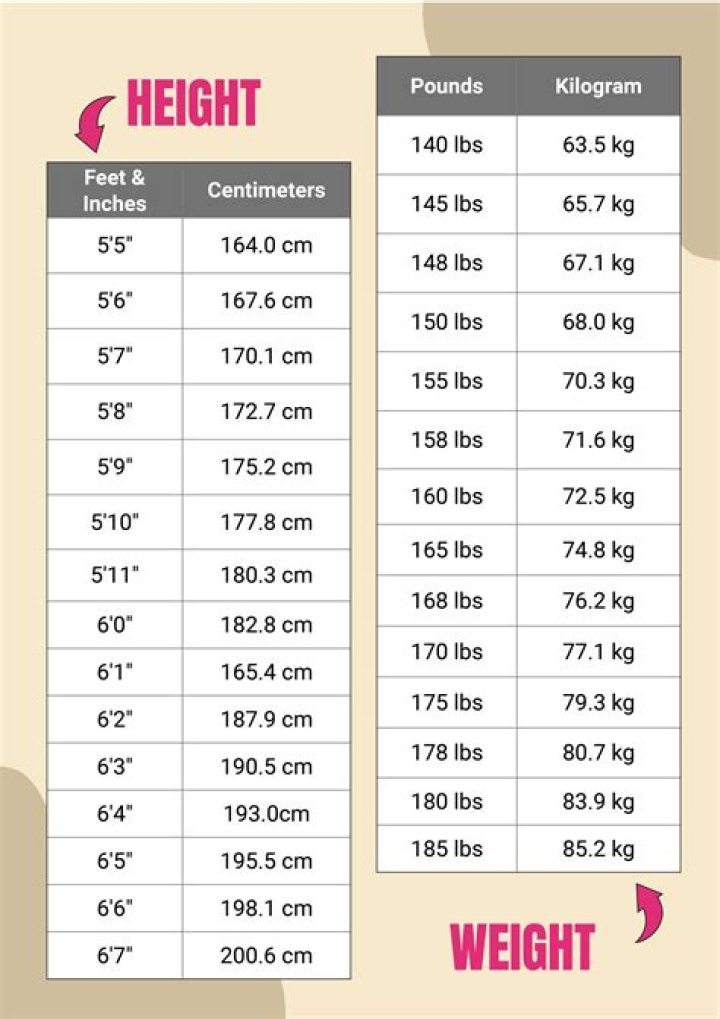
| Height: | 6'5" |
| Weight: | 250 lbs |
| Hair color: | Blond |
| Eye color: | Blue |
Social awkwardness
Social awkwardness is a common trait of people with autism. It can make it difficult for people with autism to interact with others in a way that is considered normal. They may have difficulty understanding social cues, such as facial expressions and body language. They may also have difficulty starting and maintaining conversations. This can lead to social isolation and loneliness.
Reacher is often socially awkward. He has difficulty understanding social cues and interacting with others in a way that is considered normal. For example, he often speaks bluntly and without considering the feelings of others. He also has difficulty understanding sarcasm and irony. This can make it difficult for him to build and maintain relationships.
Reacher's social awkwardness is a significant part of his character. It is one of the things that makes him unique and interesting. It also helps to explain why he is so often misunderstood by others.
Literal-mindedness
Literal-mindedness is a common trait of people with autism. It means that people with autism tend to interpret language very literally, without understanding the figurative or implied meaning. This can lead to misunderstandings and communication difficulties.
- Difficulty understanding sarcasm and irony
People with autism may not understand sarcasm or irony, as they may not be able to understand the implied meaning behind the words. This can lead to them taking things too seriously or missing the point of a joke.
- Difficulty understanding social cues
People with autism may also have difficulty understanding social cues, such as facial expressions and body language. This can make it difficult for them to interact with others in a way that is considered normal.
- Difficulty understanding abstract concepts
People with autism may also have difficulty understanding abstract concepts, such as metaphors and analogies. This can make it difficult for them to learn and understand new things.
- Preference for concrete information
People with autism may prefer concrete information that is easy to understand. They may have difficulty understanding information that is vague or ambiguous.
Literal-mindedness can be a challenge for people with autism, but it can also be a strength. People with autism are often very detail-oriented and good at following instructions. They can also be very honest and straightforward.
Difficulty understanding sarcasm or irony
Difficulty understanding sarcasm or irony is a common trait of people with autism. Sarcasm and irony are forms of figurative language that rely on the speaker's tone of voice and body language to convey the intended meaning. People with autism may have difficulty understanding these cues, which can lead to misunderstandings and communication difficulties.
- Challenge in detecting subtle cues
People with autism may have difficulty detecting the subtle cues that indicate sarcasm or irony. For example, they may not be able to tell if someone is being sarcastic if they are speaking in a monotone voice or if their body language is neutral.
- Impairment in understanding context
People with autism may also have difficulty understanding the context of a conversation, which can make it difficult for them to understand sarcasm or irony. For example, they may not be able to tell if someone is being sarcastic if they are talking about a serious topic.
- Deficit in inferring speaker's intent
People with autism may also have difficulty inferring the speaker's intent. This can make it difficult for them to understand sarcasm or irony, as they may not be able to tell if the speaker is trying to be funny or if they are being serious.
- Impact on social interactions
Difficulty understanding sarcasm or irony can have a significant impact on social interactions. People with autism may be misunderstood or seen as rude if they do not understand sarcasm or irony. This can lead to social isolation and loneliness.
Difficulty understanding sarcasm or irony is a common challenge for people with autism. However, it is important to remember that people with autism are still individuals, and there is a great deal of variation in the way that they experience and express sarcasm and irony.
High intelligence
High intelligence is a common trait of people with autism. It is thought that people with autism may have a different way of thinking that allows them to excel in certain areas, such as math, science, and music. This can be a significant advantage in many different fields, and it can help people with autism to achieve great success.
One of the most famous examples of a person with autism who has achieved great success is Albert Einstein. Einstein was a brilliant physicist who developed the theory of relativity. He also made significant contributions to many other areas of physics, including quantum mechanics and statistical mechanics.
Another example of a person with autism who has achieved great success is Temple Grandin. Grandin is a professor of animal science and a leading advocate for the humane treatment of animals. She has also written several books about her experiences with autism.
High intelligence is a valuable asset for people with autism. It can help them to achieve great success in many different fields. However, it is important to remember that people with autism are still individuals, and there is a great deal of variation in the way that they experience and express their intelligence.
Photographic memory
Photographic memory, also known as eidetic memory, is a rare condition in which an individual has the ability to recall information in great detail, often after only a brief exposure. This ability has been associated with autism spectrum disorder (ASD), and it has been suggested that Reacher may have this condition.
- Exceptional memory for details
Individuals with photographic memory have the ability to recall information in great detail, even after only a brief exposure. This ability extends to both visual and auditory information, and it can be used to recall facts, images, and even entire conversations. - Accuracy of recall
Individuals with photographic memory are also known for the accuracy of their recall. They are able to recall information without making errors, even if the information is complex or difficult to remember. - Limited capacity
While individuals with photographic memory have exceptional recall abilities, their capacity for storing information is limited. They are only able to recall information that they have been exposed to, and they cannot create new memories. - Implications for "Is Reacher autistic?"
If Reacher has photographic memory, it could help to explain some of his unusual behaviors. For example, his ability to recall details that others may forget could be a sign of this condition. Additionally, his difficulty understanding social cues could be related to his limited capacity for storing new information.
Detail-oriented
Individuals with autism spectrum disorder (ASD) are often described as being detail-oriented. This means that they have a strong ability to notice and remember small details. This can be a valuable asset in many different areas of life, including work, school, and relationships.
- Strong ability to notice and remember details
People with ASD often have a strong ability to notice and remember small details. This can be a valuable asset in many different areas of life, such as work, school, and relationships. - Preference for routine and order
People with ASD often prefer routine and order. They may be uncomfortable with changes in their routine or environment. This can be a challenge in some situations, but it can also be a strength in others. - Difficulty understanding social cues
People with ASD may have difficulty understanding social cues. This can make it difficult for them to interact with others in a way that is considered normal. However, people with ASD can learn to understand social cues with the help of therapy and support. - Perseverance and determination
People with ASD are often very persevering and determined. They may not give up easily, even when faced with challenges. This can be a valuable asset in many different areas of life.
The detail-oriented nature of people with ASD can be a strength or a challenge, depending on the situation. However, it is an important part of understanding and supporting people with ASD.
Strong interest in routines
Many autistic individuals display a strong interest in routines and may become distressed when these routines are disrupted. This can be due to several factors, including:
- Predictability and safety
Routines provide a sense of predictability and safety for autistic individuals. They know what to expect and when to expect it, which can help to reduce anxiety and stress. - Sensory processing
Autistic individuals may have difficulty processing sensory information, and routines can help to minimize sensory overload. For example, an autistic child may have a specific routine for getting dressed that helps them to avoid feeling overwhelmed by the different textures and sensations of clothing. - Cognitive rigidity
Autistic individuals may also have difficulty with cognitive flexibility, which can make it difficult for them to adapt to changes in their routine. When their routine is disrupted, they may experience anxiety, frustration, or even meltdowns.
Reacher's strong interest in routines could be a sign of autism. For example, he always eats the same breakfast every day, and he has a specific routine for getting ready for bed. He also gets upset when his routine is disrupted, such as when he is forced to travel or when his plans are changed. This suggests that Reacher may be autistic, although it is important to note that a strong interest in routines is not a definitive sign of autism.
Independence
Individuals with autism spectrum disorder (ASD) often display a strong desire for independence and self-reliance. This can be seen in many different areas of their lives, including their daily routines, their social interactions, and their academic pursuits. While the desire for independence is a common trait in all people, it is often more pronounced in individuals with ASD.
- Self-reliance
Individuals with ASD often prefer to do things for themselves, even if they need help. This can be seen in their daily routines, such as getting dressed, eating, and bathing. They may also prefer to work independently on schoolwork or other tasks.
- Autonomy
Individuals with ASD often value their autonomy and may resist attempts to control them. They may prefer to make their own decisions and set their own goals. This can be challenging for parents and other caregivers, who may want to protect them from harm or help them to succeed.
- Self-sufficiency
Individuals with ASD often strive to be self-sufficient and may avoid asking for help. This can be seen in their daily lives, such as when they are trying to learn a new skill or complete a task. They may also be reluctant to ask for help from their peers or teachers.
- Independence in social interactions
Individuals with ASD may prefer to interact with others on their own terms. They may not like to be touched or hugged, and they may prefer to play alone or with a small group of friends. They may also be uncomfortable in large social gatherings or group activities.
The desire for independence is a common trait in individuals with ASD. It can be seen in many different areas of their lives, from their daily routines to their social interactions. While this desire for independence can be challenging for parents and other caregivers, it is important to respect their wishes and to support them in their efforts to become more self-reliant.
Preference for being alone
Individuals with autism spectrum disorder (ASD) often display a preference for being alone. This can be seen in their daily routines, their social interactions, and their leisure activities. While there are many reasons why an individual with ASD may prefer to be alone, some of the most common include:
- Sensory overload
Individuals with ASD may be more sensitive to sensory stimuli than neurotypical individuals. This can make it difficult for them to tolerate noisy, crowded, or chaotic environments. As a result, they may prefer to spend time alone in quiet, calm places where they can avoid sensory overload.
- Social difficulties
Individuals with ASD may have difficulty interacting with others. They may not understand social cues, and they may find it difficult to make and maintain friendships. As a result, they may prefer to spend time alone rather than trying to navigate the social world.
- Repetitive behaviors
Individuals with ASD may engage in repetitive behaviors, such as rocking back and forth or flapping their hands. These behaviors can be calming and comforting, and they may help to reduce anxiety. As a result, individuals with ASD may prefer to spend time alone where they can engage in these behaviors without being judged or interrupted.
- Need for predictability
Individuals with ASD may prefer to spend time alone because it gives them a sense of predictability and control. When they are alone, they know what to expect and they can avoid unexpected events that may cause them anxiety or stress.
The preference for being alone is a common trait in individuals with ASD. It is important to understand the reasons why individuals with ASD may prefer to be alone so that we can provide them with the support they need to live happy and fulfilling lives.
FAQs about "Is Reacher Autistic?"
This section addresses frequently asked questions and misconceptions surrounding the topic of autism in relation to the character Jack Reacher.
Question 1: Is Jack Reacher autistic?
There is no definitive answer to this question, as the author, Lee Child, has never explicitly stated whether or not Reacher is autistic. However, there are many clues in the books and TV series that suggest that Reacher may be on the autism spectrum.
Question 2: What are some of the signs that suggest Reacher may be autistic?
Some of the signs that suggest Reacher may be autistic include his social awkwardness, literal-mindedness, difficulty understanding sarcasm or irony, high intelligence, photographic memory, detail-oriented nature, strong interest in routines, independence, and preference for being alone.
Question 3: Why is it important to consider the possibility that Reacher is autistic?
Considering the possibility that Reacher is autistic is important for several reasons. First, it can help to explain some of his unusual behaviors and personality traits. Second, it can help to raise awareness of autism spectrum disorder and its diverse manifestations. Third, it can help to challenge stereotypes about autism and to promote a more inclusive society.
Question 4: What are some of the challenges that autistic individuals may face?
Autistic individuals may face a variety of challenges, including social difficulties, communication difficulties, sensory sensitivities, and repetitive behaviors. However, it is important to remember that autism is a spectrum disorder, and each individual will experience it differently.
Question 5: How can we support autistic individuals?
There are many ways to support autistic individuals, including providing them with understanding and acceptance, creating inclusive environments, and providing them with access to the resources and services they need.
Question 6: What are some of the strengths of autistic individuals?
Autistic individuals often have strengths in areas such as attention to detail, pattern recognition, and problem-solving. They may also be very passionate about their interests and have a strong sense of justice.
In conclusion, there is no definitive answer to the question of whether or not Jack Reacher is autistic. However, there are many clues in the books and TV series that suggest that he may be on the autism spectrum. Considering the possibility that Reacher is autistic is important for several reasons, including helping to explain some of his unusual behaviors, raising awareness of autism spectrum disorder, and promoting a more inclusive society.
Tips on Understanding "Is Reacher Autistic?"
Considering the possibility that Jack Reacher is autistic can provide valuable insights and contribute to a more inclusive understanding of autism spectrum disorder. Here are a few tips to approach this topic with sensitivity and accuracy:
Tip 1: Recognize the Spectrum of Autism
Autism is a spectrum disorder, meaning that individuals may experience its traits and characteristics to varying degrees. Avoid making assumptions or generalizations based on stereotypes.
Tip 2: Focus on Individuality
Every individual with autism is unique. While certain traits may be common, it is crucial to recognize and respect the diverse experiences and strengths of each person.
Tip 3: Value Lived Experiences
Listen to and learn from autistic individuals and their families. Their firsthand accounts and perspectives provide invaluable insights into the complexities of autism.
Tip 4: Use Person-First Language
Always refer to individuals with autism as people first, followed by their diagnosis. For example, "a person with autism" instead of "an autistic person."
Tip 5: Avoid Stigmatizing Language
Refrain from using derogatory or outdated terms such as "crazy" or "retarded." Use respectful and inclusive language that promotes dignity and equality.
Tip 6: Promote Acceptance and Inclusion
Create environments where individuals with autism feel valued, supported, and empowered to participate fully in society.
Tip 7: Support Advocacy Efforts
Organizations and individuals advocating for autism awareness and rights play a crucial role. Support their efforts to improve the lives of autistic people.
Remember, understanding "Is Reacher Autistic?" goes beyond a simple yes or no answer. It is an opportunity to embrace neurodiversity, promote inclusivity, and contribute to a society that values and supports all individuals.
Conclusion
The question of whether or not Jack Reacher is autistic is a complex one that has been debated by fans and critics alike. While there is no definitive answer, this exploration has shed light on the diverse manifestations of autism spectrum disorder and its potential implications in shaping fictional characters.
Considering the possibility that Reacher may be autistic offers a nuanced understanding of his behaviors and personality. It highlights the importance of recognizing neurodiversity and embracing the strengths and challenges that come with it. Moreover, it underscores the need for continued research, education, and advocacy to improve the lives of autistic individuals.