Ice Spice weight refers to the physical measurement of a rapper named Ice Spice. It is a topic of interest to fans and the media, as body weight can be a topic of discussion and speculation in the entertainment industry.
The importance of discussing Ice Spice's weight lies in the broader cultural context of body image and representation in media. The entertainment industry often perpetuates unrealistic beauty standards, and discussions about body weight can contribute to a more inclusive and diverse representation of individuals.
This article will explore the topic of Ice Spice's weight in a respectful and informative manner. It will provide context about body image in the media, discuss the potential impact of weight-related discussions on individuals, and highlight the importance of promoting healthy body image and self-acceptance.
Ice Spice Weight
In the context of media representation and body image, the topic of "ice spice weight" encompasses several key aspects:
- Measurement: A physical attribute measured in units such as pounds or kilograms.
- Perception: Subjective views and interpretations of body weight, influenced by cultural norms and personal experiences.
- Health: The relationship between body weight and overall physical well-being.
- Representation: The portrayal of diverse body types in media and its impact on societal perceptions.
- Objectification: The treatment of individuals based on their physical appearance, including weight.
- Discrimination: Prejudice or unfair treatment based on body weight.
- Self-Esteem: The impact of weight-related discussions on an individual's self-worth.
- Body Positivity: A movement promoting acceptance and appreciation of all body types.
These aspects are interconnected and highlight the multifaceted nature of "ice spice weight." Discussions about weight can influence perceptions of health, self-worth, and societal norms. The media's portrayal of body weight can perpetuate unrealistic standards and contribute to body dissatisfaction. However, increasing representation of diverse body types and promoting body positivity can challenge these narrow ideals and foster a more inclusive and accepting society.
Measurement
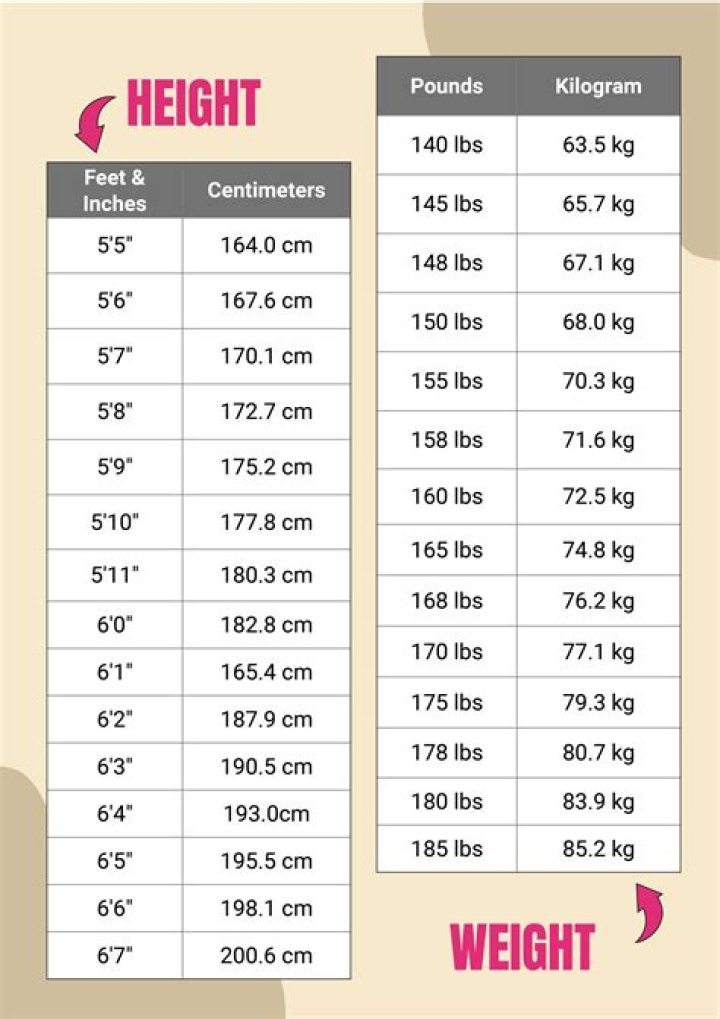
In the context of "ice spice weight," measurement refers to the quantification of Ice Spice's physical weight using specific units such as pounds or kilograms. This measurement provides a numerical value that can be used for various purposes, including assessing health, tracking progress, and making comparisons.
- Facet 1: Health Assessment
Body weight is a key indicator of overall health and well-being. Maintaining a healthy weight reduces the risk of chronic diseases such as heart disease, stroke, type 2 diabetes, and some types of cancer.
- Facet 2: Progress Tracking
Individuals may track their weight over time to monitor changes in body composition and progress towards health goals. For example, someone trying to lose weight may track their weight weekly to assess their progress.
- Facet 3: Comparisons and Benchmarks
Body weight can be compared to established benchmarks or standards to determine if it falls within a healthy range. For example, body mass index (BMI) is a measure that uses height and weight to estimate body fat and categorize individuals into different weight categories.
- Facet 4: Cultural and Societal Influences
Cultural and societal norms can influence perceptions of body weight and its measurement. In some cultures, thinness is associated with beauty and desirability, while in others, a larger body size may be seen as a sign of health and prosperity.
In summary, the measurement of "ice spice weight" involves quantifying her physical weight using specific units. This measurement has implications for health assessment, progress tracking, comparisons, and cultural perceptions. It is important to approach discussions about weight in a sensitive and informed manner, considering the individual's health, personal experiences, and the broader cultural context.
Perception
The perception of body weight, including "ice spice weight," is influenced by a complex interplay of cultural norms and personal experiences. Culture shapes societal attitudes towards weight, affecting how individuals view and value their own bodies. For instance, in some cultures, thinness is idealized and associated with beauty and desirability, while in others, a larger body size may be seen as a sign of health, fertility, and prosperity.
Personal experiences also play a significant role in shaping perceptions of body weight. Individual experiences with weight-related stigma, discrimination, or praise can influence self-perception and body image. These experiences can lead to negative or positive body image, impacting mental health and well-being.
Understanding the subjective nature of body weight perception is crucial for several reasons. Firstly, it highlights the importance of respecting diverse body types and challenging narrow beauty ideals. Secondly, it emphasizes the need for sensitive and inclusive conversations about weight, avoiding stigmatizing language or judgment. Thirdly, it underscores the significance of promoting body positivity and self-acceptance, regardless of weight or body size.
Health
In the context of "ice spice weight," understanding the relationship between body weight and overall physical well-being is crucial. Maintaining a healthy weight can significantly impact an individual's health outcomes and quality of life.
- Facet 1: Chronic Disease Risk
Body weight plays a significant role in the risk of developing chronic diseases such as heart disease, stroke, type 2 diabetes, and some types of cancer. Maintaining a healthy weight can reduce the likelihood of these conditions and promote overall cardiovascular health.
- Facet 2: Metabolic Function
Body weight influences metabolic function and hormone regulation. Maintaining a healthy weight can improve insulin sensitivity, regulate blood sugar levels, and reduce the risk of metabolic disorders.
- Facet 3: Musculoskeletal Health
Excessive body weight can strain the musculoskeletal system, leading to joint pain, mobility issues, and an increased risk of osteoarthritis. Maintaining a healthy weight can reduce stress on joints and improve overall physical function.
- Facet 4: Mental Health
Body weight can impact mental health and well-being. Weight-related stigma and discrimination can lead to low self-esteem, depression, and anxiety. Maintaining a healthy weight can improve body image and boost overall mental health.
In summary, maintaining a healthy weight is essential for overall physical well-being. It can reduce the risk of chronic diseases, improve metabolic function, enhance musculoskeletal health, and support mental health. Understanding the connection between body weight and health is crucial for making informed choices and promoting a healthy lifestyle.
Representation
The portrayal of diverse body types in media, including the representation of "ice spice weight," plays a significant role in shaping societal perceptions of beauty, health, and body image. Media images can influence how individuals view themselves and others, reinforcing or challenging existing stereotypes and norms.
When media representations lack diversity and primarily feature narrow beauty ideals, it can perpetuate unrealistic and potentially harmful standards. This can lead to body dissatisfaction, negative self-perception, and a distorted understanding of what constitutes a healthy body. Conversely, inclusive media representations that showcase a range of body types can promote body positivity, reduce weight stigma, and encourage healthier body image.
In the case of "ice spice weight," the portrayal of her body weight in media can impact how her fans and the wider public perceive her and themselves. If media representations of Ice Spice emphasize her weight in a negative or stigmatizing way, it can reinforce harmful stereotypes and contribute to weight-related discrimination. On the other hand, if her weight is portrayed in a neutral or positive light, it can challenge traditional beauty norms and promote a more inclusive and accepting view of body weight.
Therefore, the representation of "ice spice weight" and other body types in media is a crucial factor in shaping cultural attitudes towards weight and body diversity. By promoting inclusive media representations, we can challenge unrealistic beauty ideals, foster positive body image, and create a more equitable and healthy society.
Objectification
Objectification, the treatment of individuals based on their physical appearance, including weight, is a significant issue that intersects with the topic of "ice spice weight." When individuals are objectified, they are reduced to their physical attributes and valued primarily for their appearance. This can have detrimental effects on their self-worth and overall well-being.
In the case of "ice spice weight," the objectification of Ice Spice based on her weight can manifest in various ways. For instance, she may be subjected to comments or criticism about her body size or shape, regardless of her talent or accomplishments. Such objectification can reinforce harmful stereotypes and perpetuate unrealistic beauty ideals.
Objectification can also lead to weight-based discrimination, where individuals are treated unfairly or denied opportunities due to their weight. This can have severe consequences for individuals' physical, mental, and social health. Moreover, the objectification of weight can create a culture of body shame and weight stigma, which can negatively impact individuals' body image and self-esteem.
Understanding the connection between objectification and "ice spice weight" is crucial for several reasons. Firstly, it highlights the importance of challenging weight-based objectification and promoting body positivity. Secondly, it emphasizes the need for respectful and inclusive conversations about weight, avoiding objectifying language or judgment. Thirdly, it underscores the significance of promoting self-acceptance and valuing individuals for their qualities beyond their physical appearance.
Discrimination
Discrimination based on body weight, also known as weight-based discrimination or sizeism, is a serious issue that can have a significant impact on individuals' lives. It can manifest in various forms, including prejudice, unfair treatment, and denial of opportunities due to a person's weight.
- Employment Discrimination
Individuals may face discrimination in hiring, promotions, and job assignments based on their weight. Employers may hold biases against people who are overweight or obese, perceiving them as less capable or professional.
- Healthcare Discrimination
Weight-based discrimination can occur in healthcare settings, where individuals may experience biased treatment, neglect, or even denial of care due to their weight. This can lead to delayed or inadequate medical attention, negatively impacting their health outcomes.
- Social Discrimination
Overweight and obese individuals may face social stigma, prejudice, and negative attitudes from others. They may be subjected to, insults, and social isolation, which can significantly affect their mental health and well-being.
- Weight-Based Bullying
Children and adolescents who are overweight or obese are at increased risk of being bullied and harassed by their peers. This can have severe consequences for their self-esteem, academic performance, and overall mental health.
In the context of "ice spice weight," it is important to recognize that Ice Spice, as a public figure, may be subjected to weight-based discrimination or scrutiny. This can take the form of negative comments on social media, biased treatment by the media, or even discrimination in her professional life. It is crucial to challenge weight-based discrimination in all its forms and promote a more inclusive and equitable society where individuals are valued and treated fairly regardless of their weight.
Self-Esteem
Weight-related discussions, including those surrounding "ice spice weight," can significantly impact an individual's self-esteem. Self-esteem refers to an individual's overall sense of self-worth and value. When weight becomes a topic of discussion, it can trigger feelings of inadequacy, shame, and anxiety, especially if the discussions are negative or stigmatizing.
- Facet 1: Internalization of Societal Norms
Individuals often internalize societal norms and beauty ideals, which can include narrow definitions of what is considered an acceptable weight or body size. When their weight does not conform to these norms, they may experience a decline in self-esteem, feeling that they do not measure up.
- Facet 2: Negative Body Image
Weight-related discussions can contribute to a negative body image, where individuals develop a distorted and overly critical view of their physical appearance. This can lead to feelings of self-consciousness, avoidance of social situations, and a preoccupation with weight and body size.
- Facet 3: Weight-Based Discrimination
Individuals who are overweight or obese may face weight-based discrimination or stigma, which can further erode their self-esteem. This discrimination can occur in various settings, such as the workplace, healthcare, and social interactions.
- Facet 4: Media Influences
The media often perpetuates unrealistic and narrow beauty ideals, which can influence individuals' perceptions of their own weight and self-worth. Constant exposure to images of thin and idealized bodies can create a sense of inadequacy and dissatisfaction.
In the context of "ice spice weight," it is crucial to recognize the potential impact of weight-related discussions on Ice Spice's self-esteem. As a public figure, she may be subjected to intense scrutiny and commentary about her weight, which can affect her sense of self-worth and well-being. It is important to approach discussions about weight in a sensitive and respectful manner, prioritizing her health and well-being above societal norms or beauty ideals.
Body Positivity
In relation to "ice spice weight," the Body Positivity movement plays a significant role in challenging narrow beauty ideals and promoting self-acceptance regardless of weight or body size. Here are key facets of this movement and their implications:
- Facet 1: Inclusivity and Representation
Body Positivity advocates for the inclusion and representation of diverse body types in media, fashion, and other aspects of society. This challenges the traditional focus on thin and idealized bodies, creating a more realistic and inclusive representation of beauty.
- Facet 2: Health at Every Size
The Health at Every Size (HAES) approach within Body Positivity emphasizes that health and well-being can exist at any weight or body size. It encourages individuals to focus on healthy behaviors and overall well-being rather than striving for a specific weight or appearance.
- Facet 3: Challenging Weight Stigma
Body Positivity actively challenges weight stigma and discrimination, which can have harmful effects on individuals' self-esteem and mental health. It promotes respectful and inclusive language and attitudes towards people of all sizes.
- Facet 4: Self-Love and Acceptance
Body Positivity encourages individuals to cultivate self-love and acceptance regardless of their weight or appearance. It emphasizes the importance of valuing oneself beyond physical attributes and recognizing the unique beauty and worth of every individual.
In the context of "ice spice weight," Body Positivity serves as a counterbalance to potential negative or stigmatizing discussions surrounding her weight. It promotes a more inclusive and accepting view of body weight, emphasizing health, self-acceptance, and the celebration of diverse body types.
Frequently Asked Questions about "ice spice weight"
This section addresses common questions and misconceptions surrounding "ice spice weight" with informative and factual answers.
Question 1: What is the significance of discussing "ice spice weight"?
Answer: Discussions about "ice spice weight" can raise awareness about body image, weight-related stigma, and the importance of promoting healthy body acceptance. It encourages critical examination of societal beauty standards and challenges unrealistic expectations often perpetuated in media and popular culture.
Question 2: How does weight impact overall health?
Answer: Maintaining a healthy weight is crucial for overall well-being. It reduces the risk of chronic diseases such as heart disease, stroke, type 2 diabetes, and some types of cancer. Healthy weight management involves adopting a balanced diet, engaging in regular physical activity, and seeking professional guidance when necessary.
Question 3: What is the relationship between weight and self-esteem?
Answer: Weight can significantly impact self-esteem, particularly when societal pressures and unrealistic beauty ideals promote narrow definitions of attractiveness. Negative body image and weight-related stigma can lead to low self-worth, anxiety, and depression. Fostering positive body image and challenging weight-based discrimination are essential for promoting mental well-being.
Question 4: How can we promote body positivity and inclusivity?
Answer: Promoting body positivity and inclusivity involves challenging traditional beauty standards, celebrating diverse body types, and promoting respectful language and attitudes towards people of all sizes. The Body Positivity movement advocates for inclusivity in media, fashion, and other societal aspects to create a more realistic and empowering representation of beauty.
Question 5: What are the potential consequences of weight-based discrimination?
Answer: Weight-based discrimination can have severe consequences, including limited employment opportunities, unfair treatment in healthcare settings, and social stigma. It can negatively impact individuals' mental health, self-esteem, and overall well-being. Combating weight-based discrimination requires legal protections, educational initiatives, and cultural shifts that promote respect and equality for all.
Question 6: How can we encourage healthy discussions about weight?
Answer: Healthy discussions about weight prioritize respectful and non-judgmental language. They focus on promoting overall health and well-being, rather than solely emphasizing weight loss or specific body sizes. Open and honest conversations that challenge weight stigma and promote self-acceptance can contribute to a healthier and more inclusive society.
In conclusion, understanding the multifaceted nature of "ice spice weight" is crucial for fostering body positivity, challenging weight-related stigma, and promoting a healthier and more equitable society for all.
Transition to the next article section: This discussion on "ice spice weight" sets the stage for exploring the broader societal implications of weight-related issues, examining the role of media, and advocating for inclusive and respectful representations of diverse body types.
Tips Related to "ice spice weight"
This section offers practical tips and advice related to the topic of "ice spice weight," emphasizing healthy body image, self-acceptance, and respectful discussions about weight.
Tip 1: Prioritize Health and Well-being
Focus on maintaining a healthy weight for your overall well-being, rather than striving for a specific body size or appearance. Engage in regular physical activity, adopt a balanced and nutritious diet, and consult with healthcare professionals for personalized guidance.
Tip 2: Challenge Societal Beauty Standards
Recognize that societal beauty standards are often unrealistic and exclusive. Embrace diversity and challenge narrow definitions of attractiveness. Celebrate and appreciate the beauty in all body types and sizes.
Tip 3: Cultivate Self-Acceptance and Body Positivity
Practice self-love and acceptance regardless of your weight or appearance. Focus on your unique qualities and strengths, and surround yourself with supportive individuals who value you for who you are.
Tip 4: Engage in Respectful Conversations
When discussing weight, approach conversations with sensitivity and respect. Avoid judgmental language or stigmatizing remarks. Prioritize active listening, empathy, and a focus on overall health and well-being.
Tip 5: Promote Inclusivity and Representation
Support and advocate for inclusive representation of diverse body types in media, fashion, and other societal platforms. Challenge unrealistic beauty ideals and promote a more diverse and realistic portrayal of beauty.
Tip 6: Seek Professional Help When Needed
If you struggle with body image issues or weight-related concerns, consider seeking professional help from therapists, counselors, or registered dietitians. They can provide support, guidance, and evidence-based strategies to improve your relationship with your body and promote healthy habits.
Tip 7: Be an Ally to Others
Stand up against weight-based discrimination and support others who may face weight-related stigma. Promote respectful and inclusive language and attitudes, and challenge any form of bias or prejudice based on weight.
Tip 8: Focus on Long-Term Health
Rather than pursuing quick fixes or fad diets, prioritize sustainable and healthy lifestyle changes that support your long-term well-being. Gradual and consistent efforts towards healthy eating and physical activity can lead to lasting and positive results.
Remember, discussions about "ice spice weight" extend beyond individual choices and reflect broader societal issues surrounding body image and weight-related stigma. By embracing these tips and fostering a culture of respect and inclusivity, we can challenge unrealistic beauty standards, promote healthy self-acceptance, and create a more equitable and supportive society for all.
Conclusion
The exploration of "ice spice weight" has illuminated the multifaceted nature of weight-related issues, extending beyond individual experiences to encompass societal norms, media representation, and the importance of body positivity.
Challenging unrealistic beauty standards, promoting healthy self-acceptance, and engaging in respectful conversations about weight are crucial steps towards creating a more inclusive and equitable society. By embracing diversity, fostering body positivity, and advocating for respectful treatment of all individuals regardless of their weight, we can cultivate a culture that values health, well-being, and the unique beauty of every body.