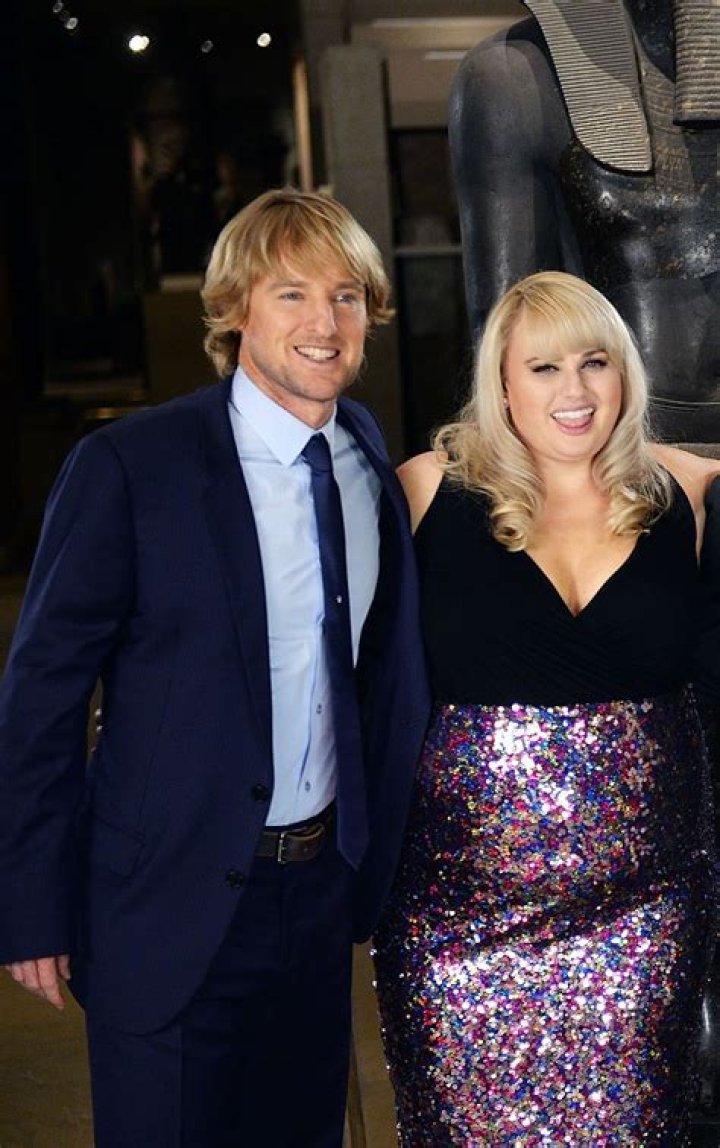
Harry J. N. Guinness was a British author, poet, playwright, and journalist. He was best known for his work on the occult and supernatural, and for his association with the Hermetic Order of the Golden Dawn.
Guinness was born in Dublin, Ireland, in 1862. He studied at Trinity College Dublin, where he developed an interest in the occult. After graduating, he moved to London, where he worked as a journalist and editor. In 1890, he joined the Hermetic Order of the Golden Dawn, a secret society dedicated to the study of the occult. Guinness quickly became one of the most prominent members of the Order, and he played a key role in its development. He wrote several books on the occult, including "The Key to the Tarot" (1899) and "The Book of Lies" (1903). He also wrote several plays and poems, including "The Masque of the Magi" (1896) and "The City of the Seven Gates" (1902).
Guinness was a controversial figure, and his work was often criticized by both the religious and scientific communities. However, he was also a highly respected figure in the occult community, and his work continues to be studied by scholars and practitioners of the occult today.
Harry J. N. Guinness
Harry J. N. Guinness was a prominent figure in the occult community of the late 19th and early 20th centuries. He was a prolific author, poet, playwright, and journalist, and he played a key role in the development of the Hermetic Order of the Golden Dawn.
- Author: Guinness wrote several books on the occult, including "The Key to the Tarot" and "The Book of Lies."
- Poet: Guinness wrote several poems on occult themes, including "The Masque of the Magi" and "The City of the Seven Gates."
- Playwright: Guinness wrote several plays on occult themes, including "The Ritual of the Magi" and "The Daughter of Hermes."
- Journalist: Guinness worked as a journalist and editor for several newspapers and magazines, including "The Occult Review" and "The Theosophical Review."
- Hermeticism: Guinness was a member of the Hermetic Order of the Golden Dawn, and he played a key role in its development.
- Theosophy: Guinness was also a member of the Theosophical Society, and he wrote several articles on Theosophy.
- Freemasonry: Guinness was a Freemason, and he wrote several articles on Freemasonry.
- Rosicrucianism: Guinness was a member of the Rosicrucian Order, and he wrote several articles on Rosicrucianism.
- Magic: Guinness was a practicing magician, and he wrote several books and articles on magic.
- Mythology: Guinness was a student of mythology, and he wrote several books and articles on mythology.
Guinness's work on the occult was controversial, and he was often criticized by both the religious and scientific communities. However, he was also a highly respected figure in the occult community, and his work continues to be studied by scholars and practitioners of the occult today.
| Name | Birth | Death | Occupation |
|---|---|---|---|
| Harry J. N. Guinness | July 29, 1862 | November 19, 1934 | Author, poet, playwright, journalist |
Author
Harry J. N. Guinness was a prolific author, and his books on the occult were some of his most important works. His writings on the Tarot and the Kabbalah were particularly influential, and they continue to be studied by scholars and practitioners of the occult today.
- The Key to the Tarot
Guinness's book "The Key to the Tarot" is a classic work on the Tarot. It provides a comprehensive overview of the Tarot deck, its history, and its symbolism. Guinness also provides instructions on how to read the Tarot cards, and he offers a number of different interpretations of the cards. - The Book of Lies
Guinness's book "The Book of Lies" is a collection of essays on the occult. The essays cover a wide range of topics, including the Kabbalah, alchemy, and magic. Guinness's writing is often, but it is also full of insights into the hidden world of the occult.
Guinness's books on the occult are essential reading for anyone who is interested in this fascinating subject. His writings are clear, concise, and informative, and they provide a wealth of knowledge about the occult.
Poet
Harry J. N. Guinness was a prolific writer, and his poems on occult themes are some of his most notable works. These poems explore a variety of topics, including the Kabbalah, alchemy, and magic. Guinness's poetry is often dark and brooding, but it is also full of beauty and insight.
- The Masque of the Magi
Guinness's poem "The Masque of the Magi" is a dramatic work that tells the story of the three wise men who visit the infant Jesus. The poem is full of rich symbolism, and it offers a unique perspective on the Christmas story. - The City of the Seven Gates
Guinness's poem "The City of the Seven Gates" is a mystical work that explores the nature of reality. The poem is full of vivid imagery, and it offers a glimpse into the hidden world of the occult.
Guinness's poems on occult themes are essential reading for anyone who is interested in this fascinating subject. His poetry is a unique blend of scholarship and imagination, and it offers a valuable insight into the hidden world of the occult.
Playwright
Harry J. N. Guinness was a prolific writer, and his plays on occult themes are some of his most notable works. These plays explore a variety of topics, including the Kabbalah, alchemy, and magic. Guinness's plays are often dark and brooding, but they are also full of beauty and insight.
- The Ritual of the Magi
Guinness's play "The Ritual of the Magi" is a dramatic work that tells the story of the three wise men who visit the infant Jesus. The play is full of rich symbolism, and it offers a unique perspective on the Christmas story. - The Daughter of Hermes
Guinness's play "The Daughter of Hermes" is a mystical work that explores the nature of reality. The play is full of vivid imagery, and it offers a glimpse into the hidden world of the occult.
Guinness's plays on occult themes are essential reading for anyone who is interested in this fascinating subject. His plays are a unique blend of scholarship and imagination, and they offer a valuable insight into the hidden world of the occult.
Journalist
Harry J. N. Guinness was a prolific writer, and his work as a journalist and editor played a significant role in the development of his occult thought. Through his work for "The Occult Review" and "The Theosophical Review," Guinness was able to share his ideas with a wide audience and to engage in dialogue with other leading thinkers in the field.
- Dissemination of Ideas
As a journalist, Guinness was able to share his ideas on the occult with a wide audience. His articles and reviews helped to spread awareness of occult topics and to stimulate discussion and debate. - Engagement with Others
Guinness's work as a journalist and editor also allowed him to engage with other leading thinkers in the field. He corresponded with and debated with other prominent occultists, such as Aleister Crowley and Arthur Edward Waite. This exchange of ideas helped to shape Guinness's own thinking and to contribute to the development of the occult movement. - Influence on Public Opinion
Guinness's work as a journalist and editor had a significant impact on public opinion. His writings helped to shape the way that people thought about the occult and to challenge conventional beliefs and assumptions.
Guinness's work as a journalist and editor was an important part of his overall contribution to the occult. His writings helped to spread awareness of occult topics, to stimulate discussion and debate, and to shape public opinion. He was a leading figure in the occult movement, and his work continues to be studied and debated today.
Hermeticism
Harry J. N. Guinness was a prominent member of the Hermetic Order of the Golden Dawn, a secret society dedicated to the study of the occult. He played a key role in the development of the Order, and his writings on Hermeticism were highly influential.
- Guinness's Role in the Golden Dawn
Guinness joined the Golden Dawn in 1890, and he quickly became one of its most active members. He served as the Order's librarian and editor, and he wrote several important essays on Hermeticism. Guinness also played a key role in the development of the Order's rituals and ceremonies. - Guinness's Writings on Hermeticism
Guinness was a prolific writer on Hermeticism. His most important works include "The Key to the Tarot" (1899) and "The Book of Lies" (1903). These books provide a comprehensive overview of Hermeticism, and they offer valuable insights into the Order's teachings. - Guinness's Influence on Hermeticism
Guinness's writings on Hermeticism were highly influential, and they helped to shape the development of the Order. His work on the Tarot, in particular, was groundbreaking, and it helped to popularize the use of the Tarot for divination and self-discovery.
Guinness's work on Hermeticism continues to be studied and debated today. He was a major figure in the development of the Order, and his writings remain an important source of information on Hermeticism.
Theosophy
Harry J. N. Guinness was a prominent member of the Hermetic Order of the Golden Dawn, and he was also a member of the Theosophical Society. Theosophy is a religious and philosophical movement that was founded in the 19th century. It is based on the belief that there is a hidden wisdom that can be accessed through meditation and other spiritual practices.
Guinness was attracted to Theosophy because of its emphasis on the occult. He wrote several articles on Theosophy, and he also translated some of the works of the Theosophical founder, Madame Blavatsky. Guinness's work on Theosophy helped to introduce this movement to a wider audience.
Theosophy had a significant influence on Guinness's occult thought. He incorporated many Theosophical ideas into his own work, and he used Theosophical techniques in his magical practices. Guinness's work on Theosophy is an important part of his overall contribution to the occult.
Freemasonry
Harry J. N. Guinness was a prominent figure in the occult community of the late 19th and early 20th centuries. He was a prolific author, poet, playwright, and journalist, and he played a key role in the development of the Hermetic Order of the Golden Dawn. Guinness was also a Freemason, and he wrote several articles on Freemasonry.
- Guinness's Interest in Freemasonry
Guinness was first initiated into Freemasonry in 1889. He was attracted to Freemasonry because of its emphasis on secrecy and ritual. Guinness believed that Freemasonry was a repository of ancient wisdom, and he was eager to learn more about its secrets. - Guinness's Contributions to Freemasonry
Guinness was a prolific writer on Freemasonry. He wrote several articles on Masonic symbolism and ritual. Guinness also translated several Masonic texts into English. His work helped to make Freemasonry more accessible to a wider audience. - Guinness's Influence on Freemasonry
Guinness's work on Freemasonry had a significant influence on the development of the Order. His writings helped to shape Masonic ritual and symbolism. Guinness also helped to promote Freemasonry among the occult community.
Guinness's work on Freemasonry is an important part of his overall contribution to the occult. His writings helped to make Freemasonry more accessible to a wider audience, and they also helped to shape the development of the Order. Guinness was a major figure in the occult community, and his work continues to be studied and debated today.
Rosicrucianism
Rosicrucianism is a mystical and occult tradition that originated in the early 17th century. Rosicrucians believe in the importance of spiritual and intellectual development, and they seek to achieve this through a combination of study, meditation, and ritual.
- Guinness's Interest in Rosicrucianism
Guinness was first introduced to Rosicrucianism in the late 1890s. He was attracted to the Order's emphasis on secrecy and its claims to possess ancient wisdom. Guinness joined the Rosicrucian Order in 1900, and he quickly became one of its most active members. - Guinness's Contributions to Rosicrucianism
Guinness was a prolific writer on Rosicrucianism. He wrote several articles on Rosicrucian history, symbolism, and ritual. Guinness also translated several Rosicrucian texts into English. His work helped to make Rosicrucianism more accessible to a wider audience. - Guinness's Influence on Rosicrucianism
Guinness's work on Rosicrucianism had a significant influence on the development of the Order. His writings helped to shape Rosicrucian ritual and symbolism. Guinness also helped to promote Rosicrucianism among the occult community.
Guinness's work on Rosicrucianism is an important part of his overall contribution to the occult. His writings helped to make Rosicrucianism more accessible to a wider audience, and they also helped to shape the development of the Order. Guinness was a major figure in the occult community, and his work continues to be studied and debated today.
Magic
Harry J. N. Guinness was a prominent figure in the occult community of the late 19th and early 20th centuries. He was a prolific author, poet, playwright, and journalist, and he played a key role in the development of the Hermetic Order of the Golden Dawn. Guinness was also a practicing magician, and he wrote several books and articles on magic.
- Guinness's Interest in Magic
Guinness was first introduced to magic in the late 1880s. He was attracted to magic because of its potential to access hidden knowledge and power. Guinness quickly became a proficient magician, and he began to write his own books and articles on the subject.
- Guinness's Contributions to Magic
Guinness was a prolific writer on magic. He wrote several books on the subject, including "The Book of Lies" (1903) and "The Key to the Tarot" (1899). Guinness also wrote many articles on magic for various occult journals.
- Guinness's Influence on Magic
Guinness's work on magic had a significant influence on the development of the occult community. His writings helped to popularize magic among the general public, and they also helped to shape the way that magicians practiced their craft.
Guinness's work on magic is an important part of his overall contribution to the occult. His writings helped to make magic more accessible to a wider audience, and they also helped to shape the development of the occult community. Guinness was a major figure in the occult community, and his work continues to be studied and debated today.
Mythology
Harry J. N. Guinness was a prominent figure in the occult community of the late 19th and early 20th centuries. He was a prolific author, poet, playwright, and journalist, and he played a key role in the development of the Hermetic Order of the Golden Dawn. Guinness was also a student of mythology, and he wrote several books and articles on the subject.
Guinness's interest in mythology was likely due to his interest in the occult. Mythology is a repository of ancient wisdom and symbolism, and Guinness believed that it could be used to access hidden knowledge and power. Guinness's study of mythology also influenced his own magical practices. He incorporated many mythological symbols and themes into his rituals and ceremonies.
Guinness's work on mythology is an important part of his overall contribution to the occult. His writings helped to popularize the study of mythology among occultists, and they also helped to shape the way that occultists used mythology in their practices. Guinness was a major figure in the occult community, and his work continues to be studied and debated today.
The connection between Guinness's study of mythology and his work on the occult is a reminder that mythology is a powerful tool that can be used to access hidden knowledge and power. Guinness's work is a valuable resource for anyone who is interested in the occult or in mythology.
FAQs on Harry J. N. Guinness
Harry J. N. Guinness was a prolific author, poet, playwright, and journalist who played a significant role in the development of the Hermetic Order of the Golden Dawn. He was also a student of mythology and a practicing magician.
Question 1: What was Harry J. N. Guinness's role in the Hermetic Order of the Golden Dawn?
Guinness was a prominent member of the Hermetic Order of the Golden Dawn, and he played a key role in its development. He served as the Order's librarian and editor, and he wrote several important essays on Hermeticism. Guinness also played a key role in the development of the Order's rituals and ceremonies.
Question 2: What were Guinness's main areas of interest?
Guinness was interested in a wide range of subjects, including the occult, mythology, and magic. He wrote extensively on these topics, and his work has had a significant influence on the development of the occult community.
Question 3: What is Guinness's most famous work?
Guinness is best known for his book "The Book of Lies," which is a collection of essays on the occult. The book is full of insights into the hidden world of the occult, and it remains a popular read among occultists today.
Question 4: Was Guinness a practicing magician?
Yes, Guinness was a practicing magician. He incorporated many mythological symbols and themes into his rituals and ceremonies.
Question 5: What is Guinness's legacy?
Guinness was a major figure in the occult community of the late 19th and early 20th centuries. His work helped to popularize the study of the occult and mythology, and it continues to be studied and debated today.
Question 6: Where can I find more information about Harry J. N. Guinness?
There are a number of resources available online where you can learn more about Harry J. N. Guinness. The Hermetic Order of the Golden Dawn website has a biography of Guinness, and there are also a number of books and articles about his life and work.
Summary of key takeaways or final thought: Harry J. N. Guinness was a fascinating and complex figure who made significant contributions to the occult community. His work is still studied and debated today, and it continues to inspire and inform occultists around the world.
Transition to the next article section: Harry J. N. Guinness was just one of many prominent figures who have shaped the development of the occult community. In the next section, we will explore the lives and work of some of the other key figures in this fascinating and mysterious world.
Tips from Harry J. N. Guinness
Harry J. N. Guinness was a prominent figure in the occult community of the late 19th and early 20th centuries. He was a prolific author, poet, playwright, and journalist, and he played a key role in the development of the Hermetic Order of the Golden Dawn. Guinness was also a student of mythology and a practicing magician. His work on the occult is still studied and debated today, and it continues to inspire and inform occultists around the world.
Here are some tips from Harry J. N. Guinness:
Tip 1: Study the occult classics.
Guinness believed that it was important for occultists to study the great works of the past. He recommended reading books by authors such as Eliphas Levi, Franz Hartmann, and Arthur Edward Waite.
Tip 2: Keep a magical diary.
Guinness believed that it was important for occultists to keep a record of their magical experiences. This can help them to track their progress and to learn from their mistakes.
Tip 3: Be patient.
Guinness warned that the study of the occult is a slow and gradual process. It takes time and effort to develop magical skills and knowledge.
Tip 4: Be ethical.
Guinness believed that it was important for occultists to use their powers for good. He warned against using magic for selfish or harmful purposes.
Tip 5: Be open-minded.
Guinness believed that it was important for occultists to be open to new ideas and experiences. He encouraged them to explore different occult traditions and to learn from other practitioners.
Summary of key takeaways or benefits: Harry J. N. Guinness's tips can help occultists to develop their skills and knowledge, and to use their powers for good. His work is a valuable resource for anyone who is interested in the occult.
Transition to the article's conclusion: Harry J. N. Guinness was a major figure in the occult community, and his work continues to inspire and inform occultists around the world. His tips can help occultists to develop their skills and knowledge, and to use their powers for good.
Conclusion
Harry J. N. Guinness was a prominent figure in the occult community of the late 19th and early 20th centuries. He was a prolific author, poet, playwright, and journalist, and he played a key role in the development of the Hermetic Order of the Golden Dawn. Guinness was also a student of mythology and a practicing magician. His work on the occult is still studied and debated today, and it continues to inspire and inform occultists around the world.
Guinness's work is a valuable resource for anyone who is interested in the occult. His writings provide a wealth of information on a wide range of topics, including Hermeticism, Theosophy, Freemasonry, Rosicrucianism, magic, and mythology. Guinness was a brilliant scholar and a gifted writer, and his work is full of insights into the hidden world of the occult.
Guinness's work is also a reminder that the occult is a serious and complex subject. It is not something to be taken lightly. Those who are interested in the occult should approach it with respect and caution. Guinness's work can help them to avoid the pitfalls of the occult and to develop a deep understanding of this fascinating and mysterious world.
Unveiling The Legacy And Impact Of Teresa Earnhardt
Unveiling The Secrets To Kayla Quick's Remarkable Basketball Odyssey
Unveiling The Multifaceted World Of Carmen Electra In 2023
Sophie Von Haselberg and husband Harry J.N Guinness attend the "Some
What Does Harry J. N. Guinness Do For A Living?