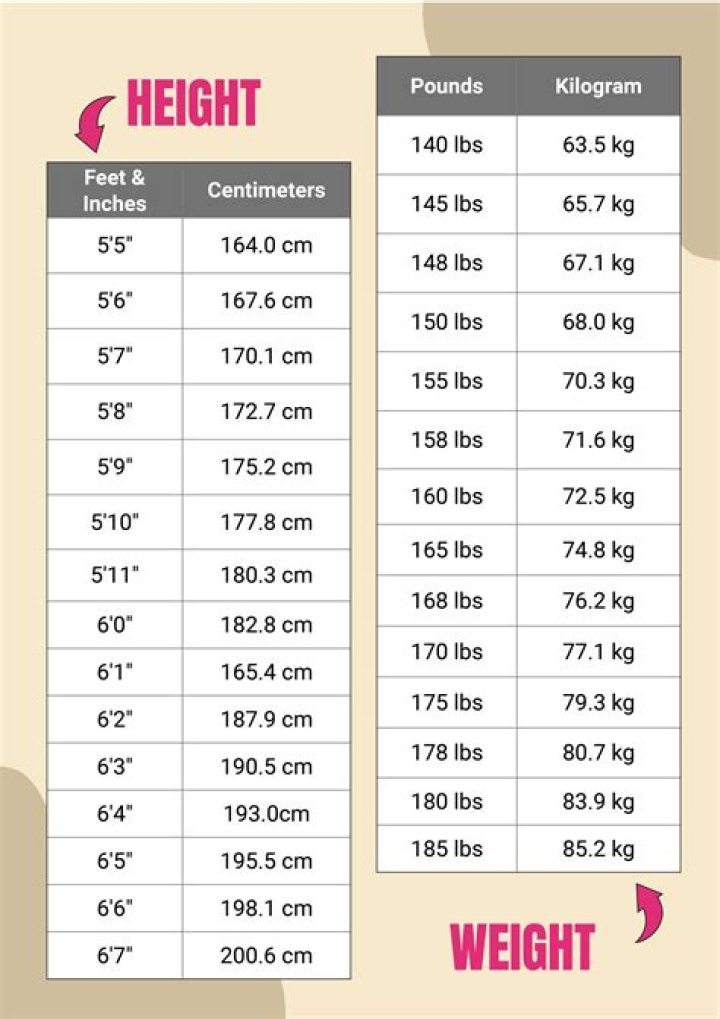
Charles Payne's weight and height are physical attributes that contribute to his overall appearance and well-being. As a public figure, his physical characteristics may be of interest to the public, particularly in the context of health, fitness, and overall well-being.
Maintaining a healthy weight and height is important for overall health, reducing the risk of chronic diseases such as heart disease, stroke, and diabetes. Regular exercise and a balanced diet are essential for achieving and maintaining a healthy weight and height.
In addition to overall health, weight and height can play a role in self-esteem and body image. In today's society, there is often pressure to conform to certain beauty standards, which can lead to unhealthy eating habits and unrealistic expectations.
Charles Payne Weight and Height
Charles Payne's weight and height are physical attributes that contribute to his overall appearance and well-being. As a public figure, his physical characteristics may be of interest to the public, particularly in the context of health, fitness, and overall well-being.
- Weight: A measure of the force exerted on an object due to gravity.
- Height: A measure of the vertical distance from the base to the top of something.
- Body Mass Index (BMI): A measure of body fat based on height and weight.
- Body Fat Percentage: The percentage of total body weight that is composed of fat.
- Waist Circumference: A measure of the circumference of the waist, which can indicate abdominal fat.
- Health Risks: Obesity and overweight can increase the risk of chronic diseases such as heart disease, stroke, and diabetes.
- Fitness: Regular exercise can help to maintain a healthy weight and height.
- Nutrition: A balanced diet is essential for achieving and maintaining a healthy weight and height.
Maintaining a healthy weight and height is important for overall health and well-being. It can reduce the risk of chronic diseases, improve fitness, and boost self-esteem. By understanding the key aspects of weight and height, individuals can make informed choices about their health and lifestyle.
| Name | Birth Date | Birth Place | Occupation | Weight | Height |
|---|---|---|---|---|---|
| Charles Payne | November 26, 1960 | New York City, New York, U.S. | Television host, political commentator, author | 230 lbs | 6 ft 2 in (1.88 m) |
Weight
Weight is a measure of the force exerted on an object due to gravity. It is often measured in newtons (N) or pounds (lbs). The weight of an object is directly proportional to its mass, which is a measure of the amount of matter in the object. The greater the mass of an object, the greater its weight.
Charles Payne's weight is 230 lbs. This means that the force exerted on him due to gravity is 230 lbs. His weight is a function of his mass and the acceleration due to gravity, which is approximately 9.8 m/s^2 on Earth.
Weight is an important component of Charles Payne's overall health and well-being. Being overweight or obese can increase the risk of chronic diseases such as heart disease, stroke, and diabetes. Maintaining a healthy weight can help to reduce the risk of these diseases and improve overall health.
There are many factors that can affect a person's weight, including diet, exercise, and genetics. By understanding the relationship between weight and gravity, individuals can make informed choices about their health and lifestyle.
Height
Height is a measure of the vertical distance from the base to the top of something. It is often measured in meters (m) or feet (ft). The height of an object is determined by its physical dimensions and the force of gravity.
Charles Payne's height is 6 ft 2 in (1.88 m). This means that the vertical distance from the base of his feet to the top of his head is 6 ft 2 in. His height is a function of his genetics and nutrition.
Height is an important component of Charles Payne's overall appearance and well-being. It can affect his self-esteem, body image, and even his career opportunities. Taller people are often perceived as being more confident, successful, and attractive.
There are many factors that can affect a person's height, including genetics, nutrition, and exercise. By understanding the relationship between height and gravity, individuals can make informed choices about their health and lifestyle.
Body Mass Index (BMI)
Body Mass Index (BMI) is a measure of body fat based on height and weight. It is used to assess whether a person is underweight, overweight, or obese. BMI is calculated by dividing a person's weight in kilograms by the square of their height in meters.
- Components of BMI: BMI is calculated using two components: weight and height. Weight is a measure of the force exerted on an object due to gravity, while height is a measure of the vertical distance from the base to the top of something.
- Interpretation of BMI: BMI is interpreted using a set of standard cut-offs. A BMI below 18.5 is considered underweight, a BMI between 18.5 and 24.9 is considered normal, a BMI between 25 and 29.9 is considered overweight, and a BMI of 30 or greater is considered obese.
- Limitations of BMI: BMI does not take into account factors such as muscle mass and body composition. This means that some people, such as athletes, may have a high BMI even though they are not overweight or obese.
Charles Payne's BMI is 26.5, which is considered overweight. This means that he has a higher risk of developing chronic diseases such as heart disease, stroke, and diabetes. By understanding the relationship between BMI and weight and height, Charles Payne can make informed choices about his health and lifestyle.
Body Fat Percentage
Body fat percentage is an important measure of overall health and well-being. It is a measure of the amount of fat in the body relative to the amount of muscle, bone, and other tissues. Body fat percentage can be used to assess an individual's risk of developing chronic diseases such as heart disease, stroke, and diabetes.
- Essential Fat: Essential fat is necessary for the proper functioning of the body. It provides insulation, protection, and energy storage. Essential fat is found in the bone marrow, brain, heart, kidneys, liver, lungs, and muscles.
- Non-Essential Fat: Non-essential fat is stored in adipose tissue and is not necessary for the proper functioning of the body. Excess non-essential fat can lead to health problems such as heart disease, stroke, and diabetes.
- Ideal Body Fat Percentage: The ideal body fat percentage varies depending on age, sex, and activity level. For adult men, an ideal body fat percentage is between 10% and 20%. For adult women, an ideal body fat percentage is between 15% and 25%.
- Measuring Body Fat Percentage: Body fat percentage can be measured using a variety of methods, including skinfold calipers, bioelectrical impedance analysis, and underwater weighing.
Charles Payne's body fat percentage is not publicly available. However, based on his weight and height, it is likely that he is overweight or obese. This means that he has a higher risk of developing chronic diseases such as heart disease, stroke, and diabetes. By understanding the relationship between body fat percentage, weight, and height, Charles Payne can make informed choices about his health and lifestyle.
Waist Circumference
Waist circumference is an important measure of overall health and well-being. It is a measure of the circumference of the waist, which can indicate abdominal fat. Abdominal fat is a type of fat that is stored around the organs in the abdomen. Excess abdominal fat can increase the risk of developing chronic diseases such as heart disease, stroke, and diabetes.
Charles Payne's waist circumference is not publicly available. However, based on his weight and height, it is likely that he has abdominal fat. This means that he has a higher risk of developing chronic diseases such as heart disease, stroke, and diabetes.
By understanding the relationship between waist circumference, weight, and height, individuals can make informed choices about their health and lifestyle. Reducing abdominal fat can help to reduce the risk of chronic diseases and improve overall health.
Health Risks
Obesity and overweight are major risk factors for a number of chronic diseases, including heart disease, stroke, and diabetes. These conditions can lead to serious health problems, including disability and death. Charles Payne's weight and height put him at an increased risk of developing these diseases.
- Heart Disease
Heart disease is the leading cause of death in the United States. Obesity and overweight increase the risk of heart disease by increasing blood pressure, cholesterol levels, and inflammation. These factors can damage the heart and blood vessels, leading to heart attacks and strokes.
- Stroke
Stroke is the fifth leading cause of death in the United States. Obesity and overweight increase the risk of stroke by increasing blood pressure and cholesterol levels. These factors can damage the blood vessels in the brain, leading to strokes.
- Diabetes
Diabetes is a chronic disease that affects the body's ability to use glucose for energy. Obesity and overweight increase the risk of diabetes by increasing insulin resistance. Insulin resistance is a condition in which the body does not respond to insulin as well as it should. This can lead to high blood sugar levels, which can damage the blood vessels and organs.
Charles Payne can reduce his risk of developing these chronic diseases by losing weight and maintaining a healthy weight. By making healthy lifestyle choices, he can improve his overall health and well-being.
Fitness
Maintaining a healthy weight and height is essential for overall health and well-being. Regular exercise is one of the most effective ways to achieve and maintain a healthy weight. Exercise helps to burn calories, build muscle, and improve metabolism. It can also help to reduce stress, improve sleep, and boost mood.
- Types of Exercise
There are many different types of exercise that can help to maintain a healthy weight and height. Some of the most effective types of exercise include:
- Aerobic exercise (e.g., running, swimming, cycling)
- Strength training
- High-intensity interval training (HIIT)
- Frequency and Intensity of Exercise
The amount of exercise that is necessary to maintain a healthy weight and height varies depending on a number of factors, including age, sex, and activity level. However, most adults should aim for at least 150 minutes of moderate-intensity aerobic activity or 75 minutes of vigorous-intensity aerobic activity per week. Strength training should be performed at least twice per week.
- Benefits of Exercise for Weight Management
Exercise can help to maintain a healthy weight and height by:
- Burning calories
- Building muscle
- Improving metabolism
- Reducing stress
- Improving sleep
- Boosting mood
Charles Payne can improve his overall health and well-being by incorporating regular exercise into his routine. By following the guidelines above, he can achieve and maintain a healthy weight and height.
Nutrition
A balanced diet is essential for achieving and maintaining a healthy weight and height. This is because the foods we eat provide the nutrients that our bodies need to function properly. When we eat a balanced diet, we are providing our bodies with the nutrients it needs to build and repair tissues, produce energy, and regulate bodily functions.
Charles Payne's weight and height are likely influenced by his diet. If he eats a healthy diet that is rich in fruits, vegetables, and whole grains, he is more likely to maintain a healthy weight and height. However, if he eats a diet that is high in processed foods, sugary drinks, and unhealthy fats, he is more likely to gain weight and develop health problems.
There are many benefits to eating a balanced diet. Eating a healthy diet can help to reduce the risk of chronic diseases such as heart disease, stroke, and diabetes. It can also help to improve mood, energy levels, and sleep quality.
If you are trying to achieve or maintain a healthy weight and height, it is important to eat a balanced diet. A balanced diet should include a variety of foods from all food groups. It should also be low in processed foods, sugary drinks, and unhealthy fats.
Charles Payne Weight and Height FAQs
Here are some frequently asked questions about Charles Payne's weight and height, along with their answers:
Question 1: What is Charles Payne's weight?
Answer: Charles Payne's weight is 230 lbs.
Question 2: What is Charles Payne's height?
Answer: Charles Payne's height is 6 ft 2 in (1.88 m).
Question 3: What is Charles Payne's BMI?
Answer: Charles Payne's BMI is 26.5, which is considered overweight.
Question 4: What is Charles Payne's body fat percentage?
Answer: Charles Payne's body fat percentage is not publicly available.
Question 5: What is Charles Payne's waist circumference?
Answer: Charles Payne's waist circumference is not publicly available.
Question 6: Is Charles Payne overweight or obese?
Answer: Based on his weight and height, Charles Payne is considered overweight.
Summary:
Charles Payne's weight, height, and BMI are all within the overweight range. This means that he is at an increased risk of developing chronic diseases such as heart disease, stroke, and diabetes. By understanding the relationship between weight, height, and BMI, Charles Payne can make informed choices about his health and lifestyle.
Transition to the next article section:
Now that we have answered some of the most common questions about Charles Payne's weight and height, let's move on to the next section of the article.
Tips for Maintaining a Healthy Weight and Height
Maintaining a healthy weight and height is essential for overall health and well-being. It can reduce the risk of chronic diseases, improve fitness, and boost self-esteem. Here are some tips for achieving and maintaining a healthy weight and height:
Tip 1: Eat a healthy diet.
A healthy diet is one that is rich in fruits, vegetables, and whole grains. It should also be low in processed foods, sugary drinks, and unhealthy fats. Eating a healthy diet can help to maintain a healthy weight and height by providing the body with the nutrients it needs to function properly.
Tip 2: Get regular exercise.
Regular exercise is another important factor for maintaining a healthy weight and height. Exercise helps to burn calories, build muscle, and improve metabolism. Adults should aim for at least 150 minutes of moderate-intensity aerobic activity or 75 minutes of vigorous-intensity aerobic activity per week. Strength training should be performed at least twice per week.
Tip 3: Get enough sleep.
Sleep is essential for overall health and well-being, including weight management. When we don't get enough sleep, our bodies produce more of the hormone cortisol, which can lead to weight gain. Adults should aim for 7-8 hours of sleep per night.
Tip 4: Manage stress.
Stress can also lead to weight gain. When we're stressed, our bodies produce more of the hormone cortisol, which can lead to increased appetite and cravings for unhealthy foods. Managing stress through healthy coping mechanisms, such as exercise, yoga, or meditation, can help to maintain a healthy weight and height.
Tip 5: Set realistic goals.
Losing weight and maintaining a healthy weight is a journey, not a destination. It's important to set realistic goals for yourself and to make gradual changes to your diet and lifestyle. Trying to lose too much weight too quickly can be counterproductive and can lead to yo-yo dieting.
By following these tips, you can achieve and maintain a healthy weight and height. This will help to improve your overall health and well-being and reduce your risk of chronic diseases.
Summary:
Maintaining a healthy weight and height is essential for overall health and well-being. It can reduce the risk of chronic diseases, improve fitness, and boost self-esteem. By following the tips above, you can achieve and maintain a healthy weight and height.
Conclusion
Charles Payne's weight and height are important factors that can affect his overall health and well-being. By understanding the relationship between weight, height, and BMI, Charles Payne can make informed choices about his health and lifestyle.
Maintaining a healthy weight and height is essential for everyone, regardless of age or occupation. By following the tips outlined in this article, you can achieve and maintain a healthy weight and height. This will help to improve your overall health and well-being and reduce your risk of chronic diseases.
Unlock The Enigmatic World Of Mark Salinger: Discoveries And Insights
Unlocking The Secrets Of Telecommunications Success: Tracey Hanes' Journey
Unveiling The Personal Life Of Judge Jeanine Pirro: A Son And Beyond
Charles Payne Net Worth Info on the ‘Making Money’ Host
Charles Payne's Net Worth & Earnings 2023 Age, Height, Wife, Kids
Charles Payne Wiki, Biography, Wife, Parents, Networth, Height, Weight